Poker Writer


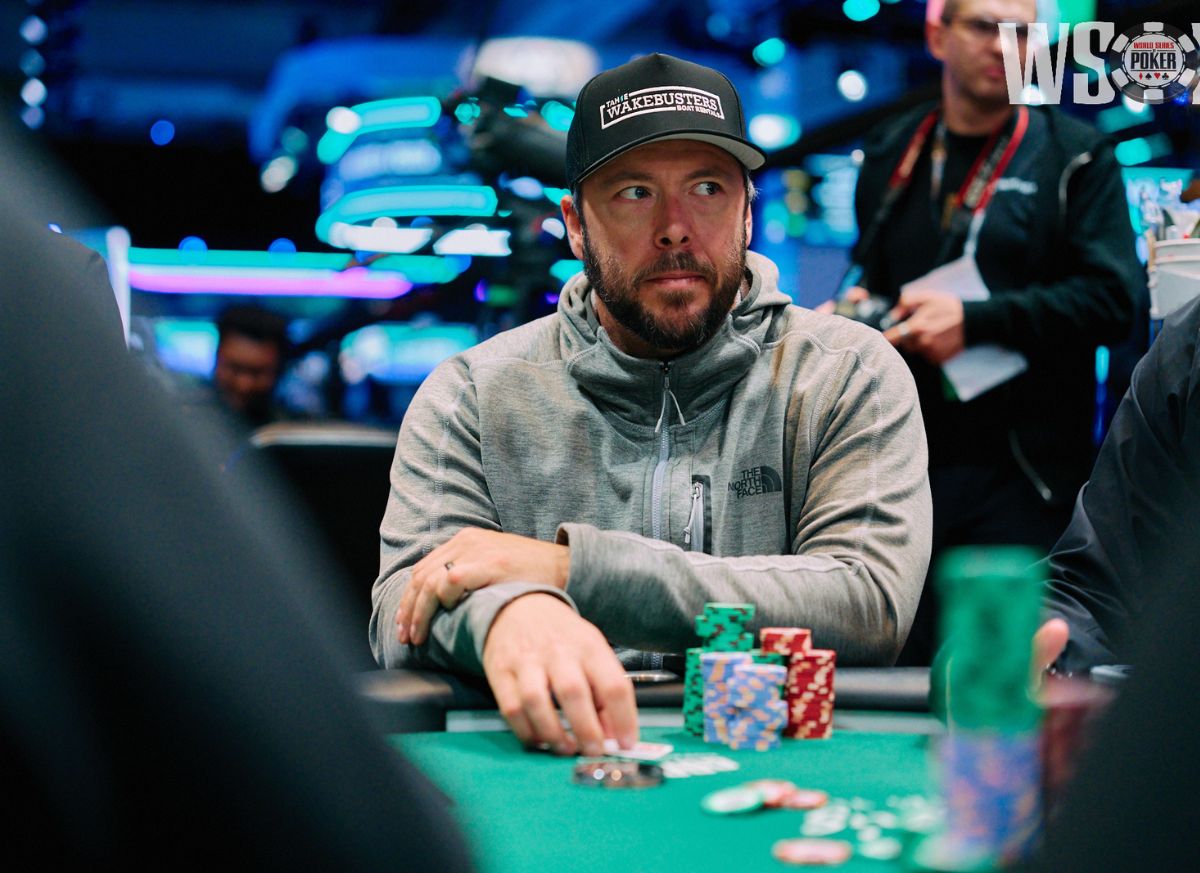
On Sunday, the World Series of Poker made an earth-shattering change to the main event, introducing clocks. The sudden change left many players up in arms, but ultimately, they have nobody to blame but themselves.
Shortly before the start of play on Day 7, with 62 players remaining, the WSOP announced that clocks would be introduced immediately. The new rules included 20 seconds to act preflop, and 30 seconds post-flop with six time bank extensions.
Poker action clocks have been a heavily debated topic in poker. They’ve appeared in some WSOP events, mainly high rollers. Up until this point, the main event has resisted instituting them.
The news swept across the poker world, eliciting instant, frenzied reactions, the vast majority of which were negative.
Keep Reading
Some Say Unplanned Clocks are Unfair to Recreational Players
Most of the reaction was centered around the fact that the change happened this late in the tournament. Players such as Chris Brewer called it “insanely unfair to recreational players.” He argued that it was a huge change for a player not used to using clocks, especially with life-changing money at stake. Even a high roller who is used to shot clocks said they can be stressful to navigate:
Anecdotally even as someone who plays well above average pace and plays shot clock all the time I find 20 seconds pre daunting. Yesterday in 50k I blundered my bust out spot because I didn’t want to use a time bank pre utg, then jammed a min raise only spot and cost myself about 3k of ev. I know every other high roller has done similar at some point. Can’t imagine if that happened in main on random new added rule in a spot that was 500x my usual stakes
Chance Kornuth agreed with Brewer, saying, “This needs to be reconsidered immediately. This is so unbelievably unfair to the amateur players… Even the pressure of not having experienced using a shot clock before can be overwhelming.”
Sam Greenwood called it “one of the worst decisions I’ve ever seen a tournament director make.”
Most agreed that the abrupt change would negatively impact the players who are not used to playing with shot clocks, which would be almost every player who does not play large buy-in events.
Could Clocks Actually Benefit Recs?
A couple of voices argued that the clocks would actually benefit recreational players. On the ESPN stream on Sunday night, Nick Schulman said the shorter time to act would make the play more instinctive and lessen the advantage the pros have when deeply thinking through hands.
Derek Kwan also shared this opinion, as he went against the grain on X:
I think the opposite. The longer you give pros to tank, the more info they process. More time to think favors pros, not recs. Recs are also not going to be rushed into huge decisions constantly given they manage their time banks wisely. Also some rush on decisions IS suspense.
Patrick Leonard Rips WSOP Decision After 32nd-Place Finish
One of the most prominent pros left on Day 7, Patrick Leonard, had his deep run come to an end in 32nd place on Sunday night. After his elimination, he ripped into the WSOP’s decision, even though it benefited him as a pro.
The general sentiment in the room was extremely negative. The amateur players were extremely thrown off, these are amateurs who have never played with shot clocks before, they didn’t understand them properly. People are coming from all parts of the country from all kinds of cardrooms. To throw them into the deep end like that with ZERO notice was very daunting for them and have a huge advantage for the pros who are used to them and don’t really need to think about them.
Pads also noted how he ran out of his six time extensions early in the day after a few tough hands. After dinner, player received four more extensions.
The Players Can Only Blame Themselves
Before going into the reasons the WSOP instituted the clocks, I do want to say that I agree with everything these players said about the changes. It is an extreme change for players who have already been playing for days and launches them into something unfamiliar, while already navigating a surreal experience of going deep in the main.
But I also believe the WSOP had to act and was forced to do so by the egregious tanking on Day 6. Every year, there is a discussion about how long it takes players to act in the main event, especially on pay jump bubbles when the field is down to the final 200 players and lower.
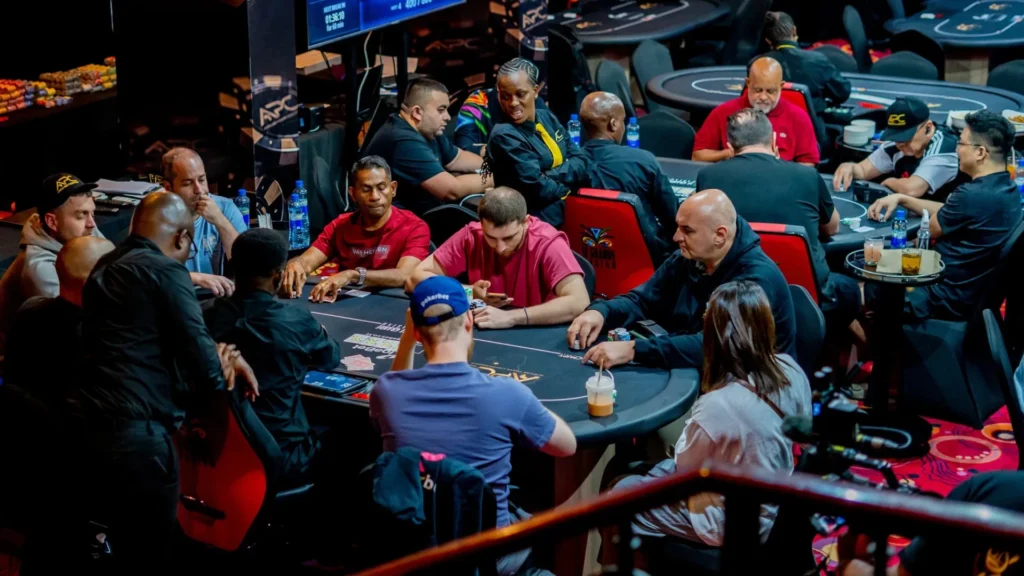
But on Saturday, it went overboard. One egregious 15-minute stall on an outer table by Loren Klein made the rounds on social media. This hand was one of the primary catalysts for the WSOP’s quick action.
The feature table on the ESPN stream would slow to a crawl whenever a pay jump occurred. On many occasions, a player openly admitted to stalling because of the pay jump. The rest of the table was usually happy to oblige a multi-minute stall. It was torturous to watch.
David Paredes, who finished 127th, confirmed just how bad the tanking was on X after his elimination. He suggested the clock addition was the only way, even though he did not agree with how fast the clock was and its 11th-hour addition:
The tanking this year was beyond anything I’ve ever seen. The main event absolutely needs a shot clock with time banks at some point maybe starting day 4.
The stalling is only getting worse though, and I hate to say it, there’s nothing that would magically reverse the trend. It will only get worse unpoliced.
Pressure on WSOP to Make an Entertaining Product For ESPN
With the WSOP returning to ESPN this year after a seven-year hiatus, the pressure is on more than ever to create an entertaining product for the many potential new viewers.
The announcers scrambled to explain what was happening each time as a player left one chip behind to stall. They explained that it was not against the rules. And since every table is doing it, the players are incentivized to follow suit. The general sentiment was something like “don’t hate the player, hate the game.”
Everyone hates it, everyone thinks it’s unethical, everyone feels bad while doing it, often muttering apologies, excusing themselves. The only defense was that it was technically not against the rules. Players who were angry about the addition of shot clocks, like Deeb and Greenwood, were both ripping the WSOP just hours earlier for not taking action on excessive tanking. Greenwood sarcastically posted about Klein’s tank, hinting at the need for action.
Well, the WSOP decided to change “the game,” making it impossible to tank or stall excessively. The players have brought this on themselves with exceedingly slow play. If they self-policed more, WSOP would have never gone down this road.