Deputy Editor


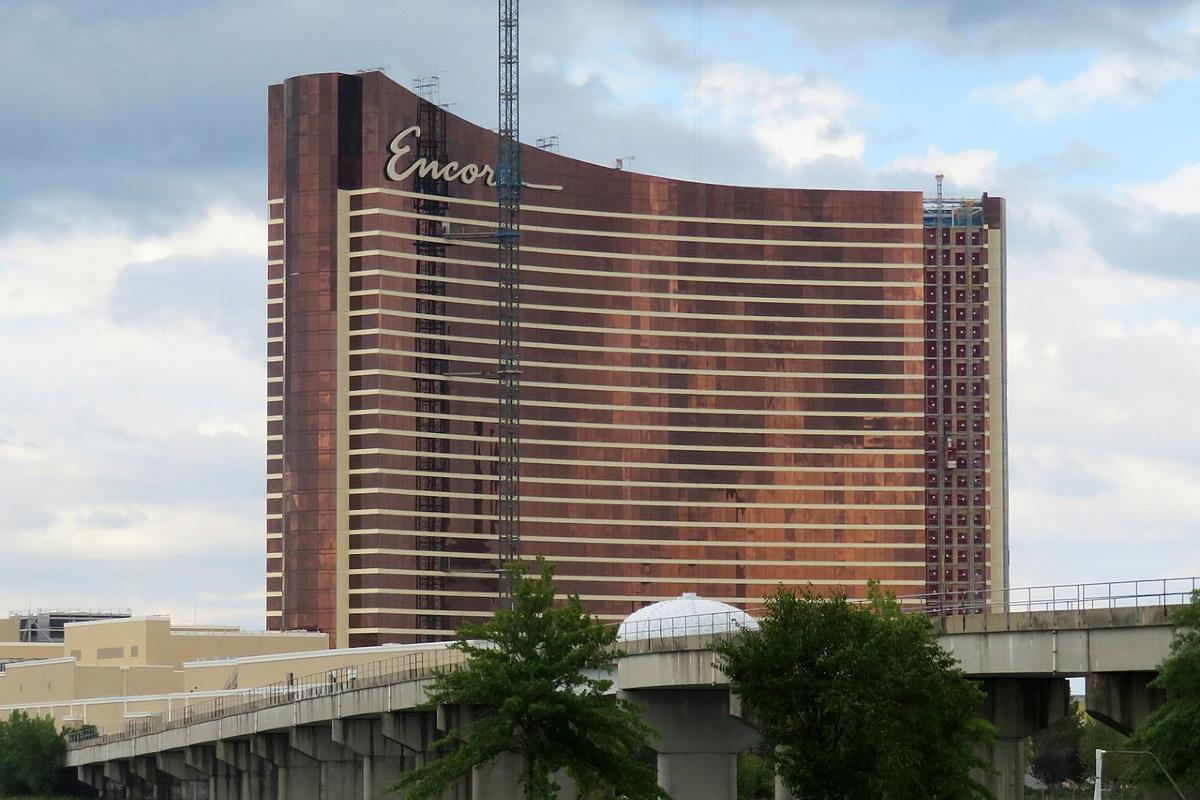
Representatives for Encore Boston Harbor have been campaigning against Massachusetts legislation that would legalize iGaming, including online poker.
At a Nov. 13 hearing before the Joint Committee on Economic Development and Emerging Technologies for the state, Encore representatives hit the usual anti-iGaming talking points. They said iGaming would “cannibalize” the state’s three brick-and-mortar retail casinos. They also cited increased problem gambling as a cost.
Eileen McAnneny, the casino’s executive director of government relations, said iGaming would cost the state $450 million in GDP while cutting 1,800 jobs.
“Internet casino gambling is a bad bet for Massachusetts,” she wrote in a letter to the committee.
State Rep. David Muradian is the sponsor of H4431. State Sen. Paul Feeney sponsors similar a similar bill on that side of the legislature. Muradian said he hopes to bring the action currently going to offshore entities over to legal operators, where it can be regulated and taxed. He cited consumer protection as an additional key benefit to iGaming legalization.
Muradian’s bill seeks to generate tax revenue by charging operators 15% rate of their gross revenue. It notably bans certain advertising practices, such as the use of “risk-free” language, as well as credit card deposits.
Of note for poker players, HH4431 specifically mentions the possibility of entering into “a multi-state internet gaming agreement.” That would allow Massachusetts to quickly join the shared liquidity pool for online poker if the legislation passes. BetMGM and WSOP have taken full advantage of the shared liquidity, leaving PokerStars in their dust to dominate the online market.
Wynn Missed on Chance to Compete in iGaming
As other gambling entities profited from iGaming expansion across the country, Wynn was among those largely missing out. Founder Steve Wynn joined the late Las Vegas Sands founder Sheldon Adelson in fighting against online casino and poker.
Adelson lost the years-long campaign and then died in January 2021.
Wynn, meanwhile, resigned from his position as CEO in the wake of sexual assault allegations in 2018. Las Vegas Sands and Wynn Resorts both missed the window of opportunity to be competitive in iGaming due to their founders’ stance on the issue.
Following Wynn’s departure, the company attempted a belated move into iGaming and online sports betting, which had already become legal in multiple states. By the time WynnBET arrived in New Jersey in 2020, its online casino competitors had a seven-year head start, while the state’s first sportsbooks had been open for two.
Well behind the industry’s first movers, WynnBET ultimately flopped. It failed to gain market share even in states like Massachusetts, where Encore Boston Harbor is the highest-grossing retail casino.
Wynn began shutting down most of its online operations in 2023, remaining active in only a few states. The company cited “commercial reasons.”
Massachusetts was one of the last markets in which it had remained operational. However, it waved the white flag there too, shutting down its online sportsbook in 2024.
At this point, Wynn’s only remaining iGaming operation is its Nevada online sportsbook, tied to its retail books at Wynn and Encore.
Muradian’s proposed bill would allow Massachusetts retail casinos to partner with non-retail licensees for iGaming. That would allow entities like DraftKings and Caesars to enter the market.
Rather than compete with them, which has been a losing strategy for Wynn on the iGaming front, the company clearly prefers to keep that particular market closed off entirely.
Proposed Bill Would Also Ban Sweepstakes Sites
Another facet of Muradian’s proposed bill is a ban on sweepstakes gaming in Massachusetts.
Several nearby states, such as New Jersey and New York, have enacted similar bans.
“It shall be unlawful for any person or entity to operate, conduct or promote online sweepstakes games within the commonwealth,” Muradian’s bill reads. Such games are defined:
- A prize is awarded based on chance
- Available on the internet and accessible on a mobile phone, computer terminal or similar access device
- Utilizes a dual-currency system of payment allowing the player to exchange the currency for any prize or award or cash or cash equivalents
- Simulates casino-style gaming including but not limited to, slot machines, video poker, and table games, lottery games and sports wagering
A sweepstakes ban in Massachusetts would serve as the latest blow in an ongoing state-by-state crackdown that has continually shrunk the player pool. Most recently, Tennessee has targeted several operators with a focus on those operating sweepstakes casinos.
Image credit: Pi.1415926535/Wikimedia Commons (license)