Poker Writer


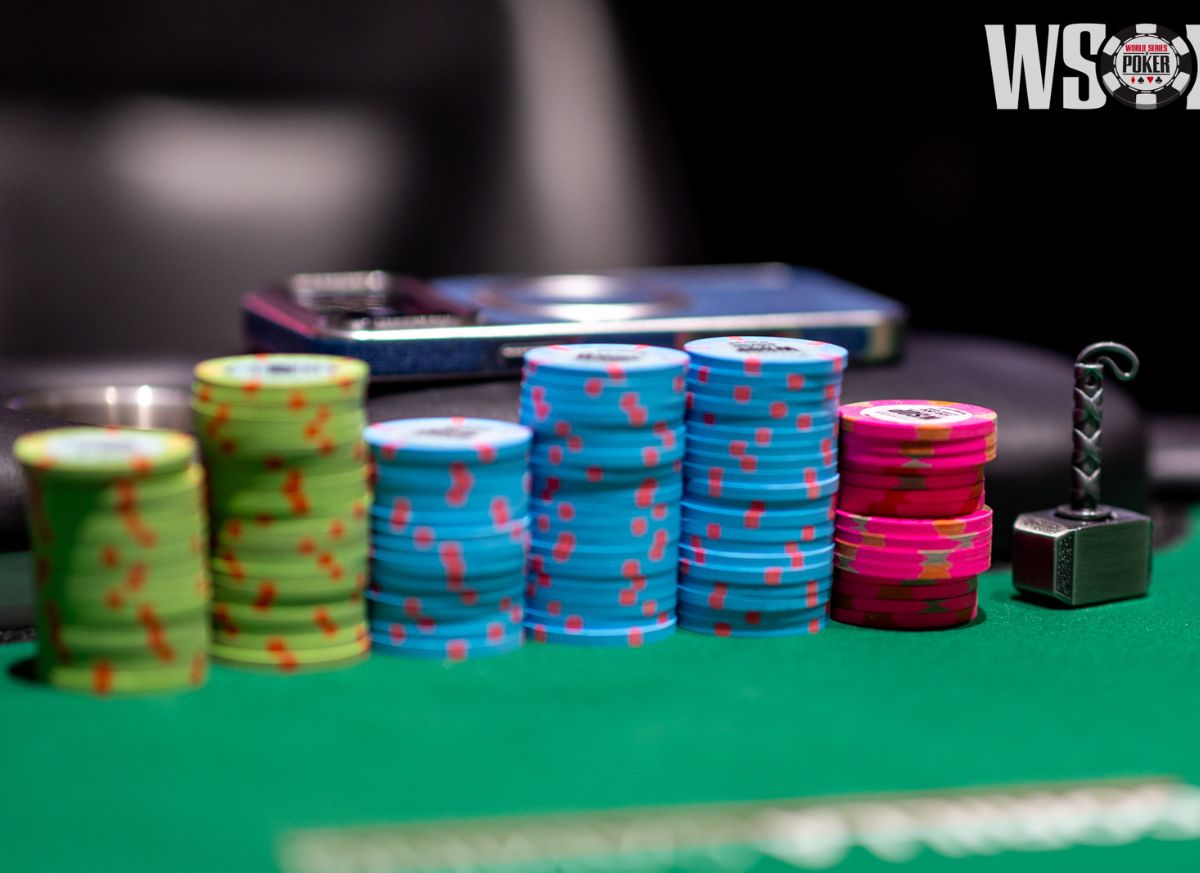
The $600 deepstack was one of the first lower-stakes buy-in final tables of the 2026 World Series of Poker, and the shallowness of the chip stacks led to talk that WSOP should consider rollbacks of the blinds at such final tables.
Rob Kuhn opened the discussion on X. With six players left, the chip leader had just 17 big blinds and the two short stacks had nine big blinds. Seventy-four total big blinds in play across six players makes for an average stack of about 12 big blinds.
These very short stacks were going to battle for huge prize money, with sixth place garnering just over $55,000 and the winner set to receive a grand prize of $259,829.
Such large amounts of money and the bracelet are determined almost exclusively by all-ins at that stack depth. To many, that undermines some aspects of tournament poker, especially in a prestigious event giving away a WSOP bracelet.
Keep Reading
Are They Really ‘Deepstacks?’
The tournaments are called deepstacks in order to attract casual players and signal that they will get a lot of chips early. But that depth does not last long. The quick-moving 30-minute blind levels in the $600 events are designed to trim the fields quickly. They determine a winner in a couple of days.
Patrick Leonard suggested that any event labeled a “deepstack” should retain an average stack of at least 30 big blinds throughout the tournament.
Jeff Platt of the WSOP responded to Leonard:
These are good, fun, quick ones for the people!! The people like their starting stacks deep! And sometimes their tourneys fast! Have Monster Stack and Milly and Deepstack Champ for the people who want longer.
Final Table Blind Rollbacks = Better Quality
Extending the level length or keeping the fields deeper later would make the tournaments run much longer. Longer tournaments would not be popular with casual players who are likely taking time off work or a vacation to play these events.
So, changing the entire nature of the tournament is not possible in these large-field events meant to cater to casual players looking for something condensed.
But that doesn’t mean that Kuhn’s suggestion of rolling back blind levels couldn’t be done at the final table. There, the largest pay jumps await. At that point, a little more depth would not create that much more time, with only one table of players left. It would also make for a much better broadcast, if indeed that particular tournament was part of the WSOP coverage plan.
A simple one- or two-level rollback would improve the quality of the final tables without disrupting the entire tournament. In the case of the $600 deepstack, with six players left, a rollback from 1.5 million to 1 million would have raised the average stack to 19 big blinds. That would have a meaningful effect without extending the time of play significantly.
At the end of the day, WSOP has to strike a delicate balance here. They need to get these tournaments over with, but they also need to put a product on stream that people want to watch. A built-in rollback would be a mechanism to consider in certain events. But it has to be mapped out in advance to make everything fair.
Photo Credit: WSOP / Travis Ball