Poker Writer


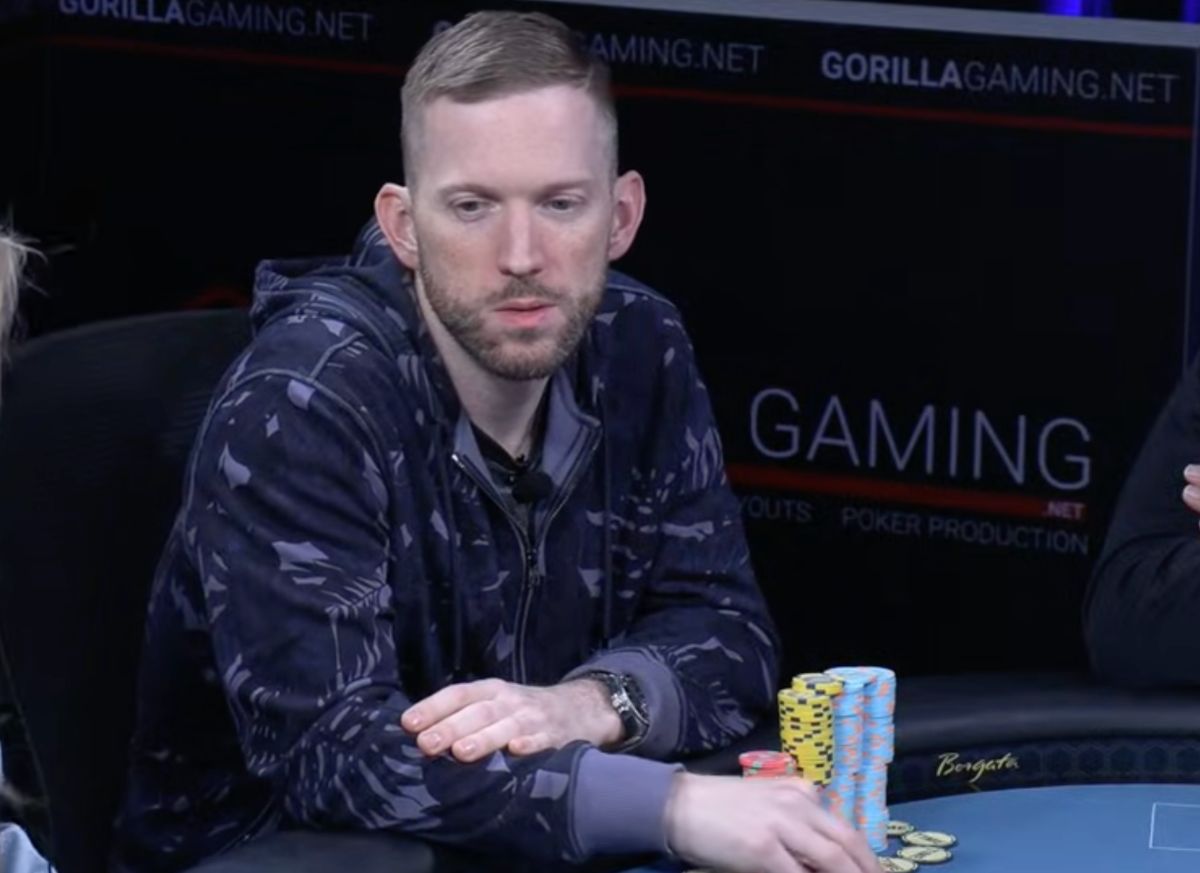
New York poker pro Greg Himmelbrand expressed concern about the WSOP’s new format for the Monster Stack when he spoke with PokerScout about it in February, but even he was surprised at the amount of negative feedback he heard during the actual event.
PokerScout reached out to Himmelbrand to talk about which aspects of the events met his expectations and what players were so unhappy about.
We originally spoke with Himmelbrand about the event shortly after the WSOP released its 2026 schedule and structures. He was especially worried about the ever-growing number of entries being permitted in what is supposed to be an event that appeals to recreational players. Although growing the number of entries means bigger prize pools, it increases the odds that the final table will be skewed toward deep-pocketed pros who can afford to fire multiple bullets.
Ultimately, this year’s Monster Stack title went to Rich Alsup, a regular on the Mid-States Poker Tour with a previous bracelet in the $800 Deepstack event at the 2022 series.
Himmelbrand says that although the number of entries increased with the new format, his fears about the event becoming less unique and less friendly to amateurs were borne out.
Attendance Increase Does Not Tell the Story of Unique Entries
The number of entries in the Monster Stack increased by 20% from 2025 to 2026, from 9,900 to 11,900. But Himmelbrand says this does not nearly tell the whole story.
Unique entries were almost certainly down, as it was 4 freezeout flights last year so the change was magnified by a reentry each flight AND the staggered Day 2s.
And that growth is not organic or good for the health of the tournament:
The concern was that the growth would come from creating more opportunities for existing players to fire additional bullets rather than attracting significantly more unique players. Looking back, I think that’s largely what happened. Since WSOP doesn’t publish unique entry numbers, nobody can say for sure, but based on turnout patterns seen in other events, I’d be surprised if unique entries wasn’t noticeably down.
Structure of Monster Affected Milly Maker?
The Monster Stack came a couple of weeks before the Millionaire Maker, another favorite on the calendar for recreational players. But with the two events having nearly identical structures, Himmelbrand wondered if the two events feeling the same affected the Millionaire Maker, which saw a decrease in entries:
I wonder if people were kind of turned off by the monster and didn’t play the Millionaire Maker because it was the same format. I saw at least two tweets mentioning something along these lines; how these tournaments used to be the highlight of their summer and they weren’t even motivated to play the Millionaire Maker this time after seeing the format with the monster.
In Himmelbrand’s mind, the lack of growth in the Millionaire Maker indicates that the wholesale changes of the event were not worth it:
I was also somewhat surprised by how little additional growth there appeared to be relative to the amount of extra entry opportunities especially with the Millionaire Maker which actually went down. If you’re going to fundamentally change a tournament’s identity in pursuit of larger numbers, I think it’s fair to ask whether the increase justified the tradeoff.
New Structure Benefits Pros
Himmelbrand also outlined exactly what the issue with the format was for the average recreational player. The large number of opportunities to enter decreased the attractiveness to the casual player:
My larger concern was always about the player experience and the overall ecosystem. The Monster Stack historically had a very distinct identity: a deep structured, recreationally friendly event where one bullet could realistically take you all the way. Every additional opportunity to jump back in chips away at that identity. Recreational players with only one bullet to fire were less motivated to play this event.
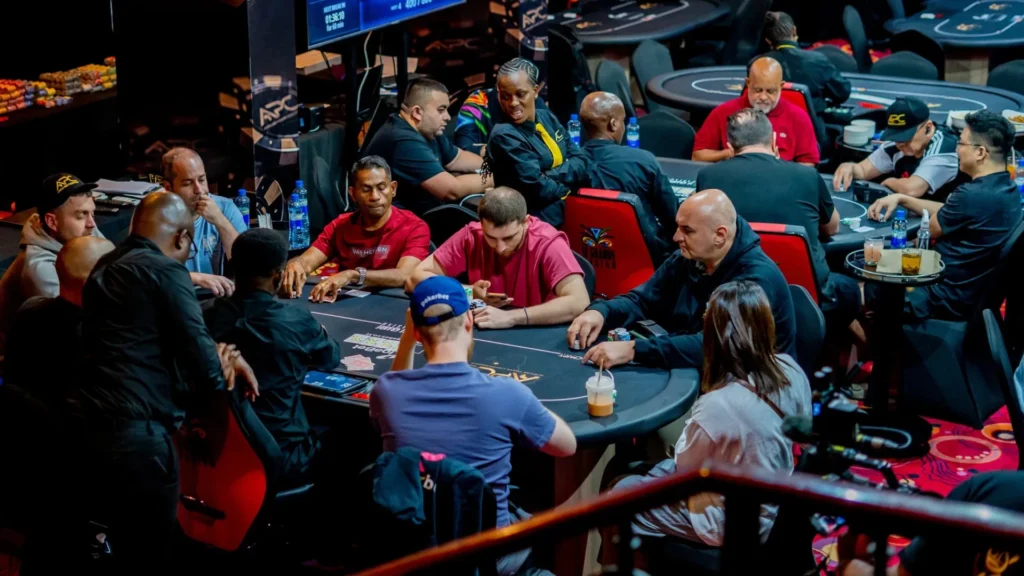
The format change also benefited professional players, who could fire more bullets. Any pros who did not make the top 5% on the first try could simply give it another shot on a subsequent flight. This helped the Monster Stack be more pro-heavy in the late stages of the event.
While it’s a one tournament sample size and obviously not conclusive, I think the fact that the Monster final table had more known players than is typical might illustrate this point a bit, that it gave top players extra opportunities and therefore the late stages would be filled with more of them
And indeed, three of the final four players were highly decorated players with over a million in career earnings. 4th place finished Aaron Massey with over $6 million, runner-up Salvatore DiCarlo with over $1.5 million. Following his win, Alsup now also has close to $4 milllion in earnings.
Negative Player Reaction More Widespread than Expected
While most of what happened with the Monster Stack went as Himmelbrand expected, one thing that surprised him was just how negative the reaction to the new format seemed. That was the case even among recreational players, who are generally less sensitive to the nuances of tournament structure than the pros. Some players who had been unaware of the changes were unhappy with them once they’d been explained by other players at the table.
Whether it was on social media or at the tables, there appeared to be a lot of chatter about it. Some of the most common complaints that Himmelbrand heard included:
The most common complaint was that players felt pressured into firing additional bullets. Historically, many recreational players approached the Monster Stack as a one or two shot tournament. If they busted, they were done. With the new format, players knew that if they didn’t advance deep enough, there would often still be another opportunity available.
This led to a lot of bullets wasted by players who weren’t fully happy about the decision, stretching budgets and perhaps hurting attendance for other events.
If they bagged chips for Day 2 and busted shy of the money, they convinced themselves to fire again even if they hadn’t budgeted for it, where as previously they wouldn’t have had that opportunity to. Even if they had no intention of reentering, many disliked feeling like they were at a disadvantage against players willing to fire multiple bullets, and cash multiple times.
Beyond concerns about the structure being more beneficial for professionals, the event’s vibes were different. It felt like a fundamental change to what the Monster Stack represents:
I also heard frustration from players who simply liked what the Monster Stack used to represent. The event had already become one of the most popular tournaments in poker. Many people questioned why a tournament that was already wildly successful needed additional flights and reentry to begin with.
Was There Enough Anger to Change Things Moving Forward?
Himmelbrand admitted that despite the negative chatter about the event, many players still played, and he wondered if it was enough for the WSOP to make any changes for subsequent years.
The overall vibe wasn’t outrage. Most people still played…. Poker players are notorious for complaining and then registering anyway. But there was a noticeable sense that the event was moving further away from what made it special in the first place, and there was growing feelings that the casual player would be a little less hyped to play this the next go around and may not.
Even so, sheer numbers might not be a good indicator of what the best format for a tournament is, especially when most players are in Vegas for the WSOP anyway.
The strongest evidence that players disliked the changes isn’t necessarily whether they played. Most were already in Las Vegas and were going to play regardless. The better question is whether the average player preferred the new format to the old one. Based on the conversations I heard throughout the series, I don’t think that’s remotely close.
Changes Ultimately Bad For Everyone Involved
Himmelbrand ended by reiterating what he said in February and believing it to be even more true today than it was then. That the changes are bad for everyone involved, the recreational players, the professional players and the operators themselves:
They’re bad for recreational players because they increase the advantage held by players willing and able to fire multiple bullets. They’re bad for professionals because when more of the strongest players survive into the later stages of the tournament, those late stages become significantly tougher for everyone, so the result is a less winnable tournament. Ironically, they may even be bad for the operator themselves in the long run.