Managing Editor


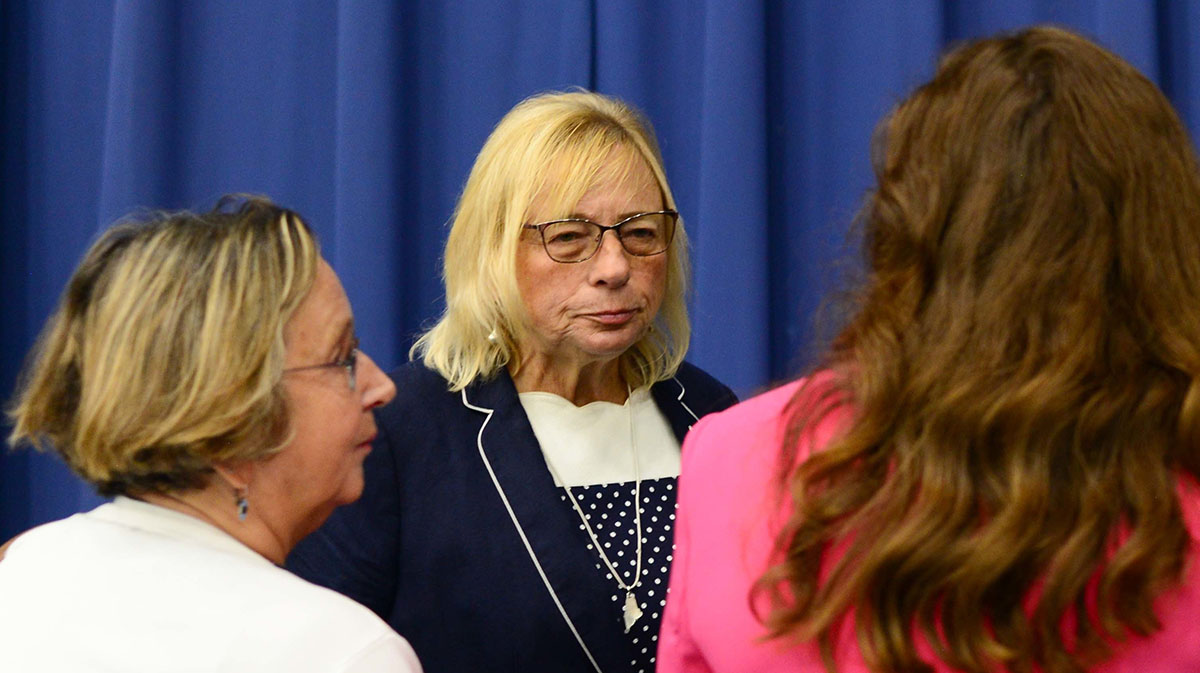
Maine gamblers may need to wait until 2026 to learn whether online poker and casino games will be legalized in their state. Governor Janet Mills appears to have allowed the clock to run out on the bill, having neither vetoed the bill nor signed it into law.
Lawmakers passed the Maine online casino bill in a confusing fashion and at the last possible moment last month. However, there was widespread speculation that a governor’s veto would prevent it from becoming law.
The passage of that online poker and casino legislation came as part of a last-minute crunch that put over 100 bills on the Governor’s desk all at once. Under Maine law, Mills had only ten days—not counting Sundays—to decide what to do with them all. That window elapsed on Monday, July 7.
If the bills had passed earlier in the session, they would become law at this point. However, the rules are different if the legislature has adjourned in the meantime.
If the Governor refuses to sign or veto a bill before the deadline and the legislature is no longer in session, it does not become law immediately. That is what is known in the state as a “pocket veto,” and appears to have been the fate of the online casino bill.
The good news for poker players in Maine is that a pocket veto is not as final as a permanent one. When the legislature reconvenes for the second half of its biennial cycle in January 2026, Gov. Mills will be put to an immediate decision. She’ll have three days in which to formally veto or sign them. Any further delay will mean they become law without her signature.
If the online casino bill becomes law, it will enable the Wabanaki Nations to offer online poker and casino gaming under terms similar to those of the state’s existing sports betting laws.
Pocket Vetoes a Recurring Source of Friction
This quirk of Maine’s legislative rules appears to be a recurring problem. Gov. Mills similarly applied a pocket veto to dozens of bills that the legislature passed on “Veto Day” in 2024.
Because that was the second of the biennial sessions, the legislature never reconvened, and the bills died. Gov. Mills explained to reporters that she thought some of the bills had merit, but she objected to how they had been presented to her.
It’s unprecedented for the Legislature to have taken up that much business on Veto Day. If they were allowed to become law, it would have been subject to serious legal question.
The intention of Veto Day is to allow the legislature a chance to overturn gubernatorial vetoes, not to pass additional legislation.
Since the legislature will reconvene in 2026, there was no Veto Day this year. However, the online casino bill also passed in an unorthodox fashion. Although the House approved it, the Senate was deadlocked. It was ultimately sent for enrollment “under the hammer”—i.e., without a vote—and then enacted by the Senate Committee on Appropriations and Financial Affairs.
Even ignoring her own possible objections to iGaming, Gov. Mills may hesitate to endorse a bill that never received a majority of votes in one of the two chambers. However, barring a special session—which is not expected this year—we’ll have to wait for January to find out.