Deputy Editor


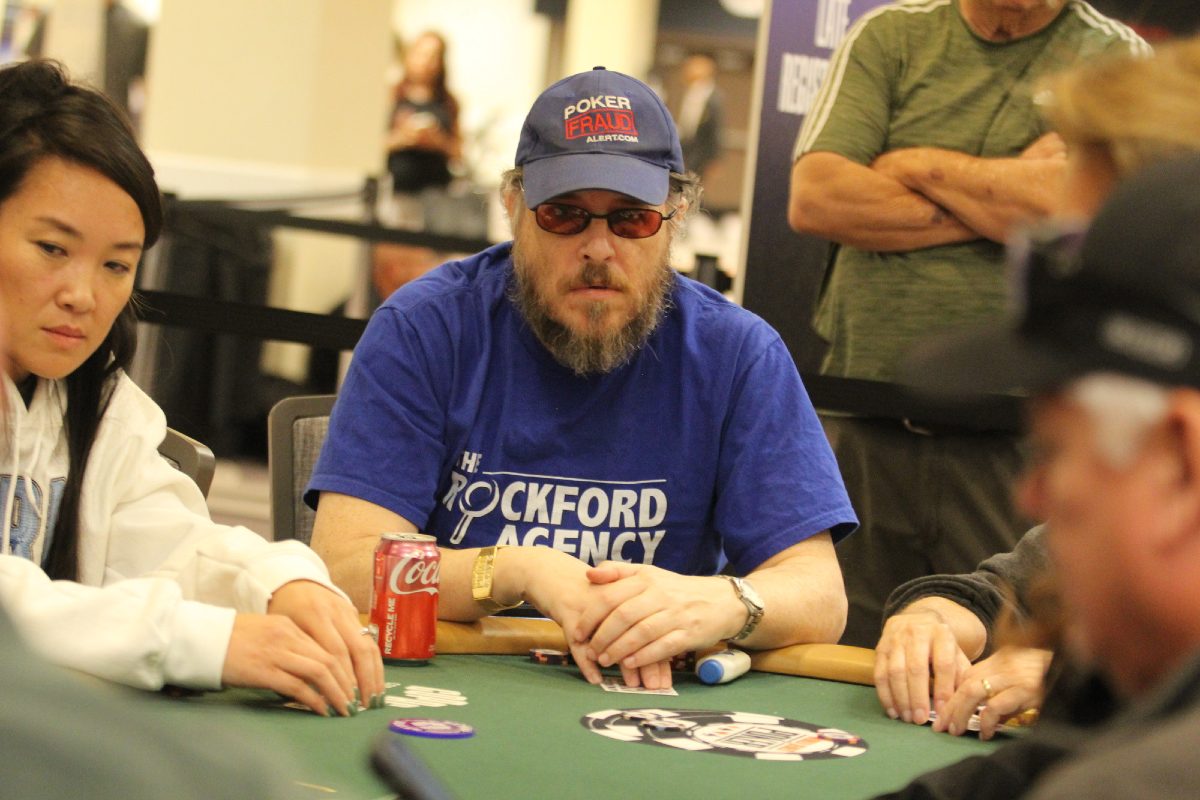
In case there was any doubt, there won’t actually be any series of heads-up poker matches involving Elon Musk’s generative AI, Grok. Not against Phil Galfond, not against Joey Ingram, and not against Poker Fraud Alert owner Todd Witteles.
While Galfond and Ingram just seemed to be having a bit of fun with Grok, Witteles set out to try his best to get the AI to make good on its boasts. The World Series of Poker bracelet winner and longtime pro wrote in a series of Poker Fraud Alert posts that Grok’s role-playing was so convincing that he actually began to believe a poker match for real stakes was going to be forthcoming. Grok even gave him email addresses for what it said were xAI staffers who would finalize the details. Those emails, like everything else Grok was saying, were a complete fabrication.
Phil Galfond and Joe Ingram had engaged in public haggling with Grok in hopes of playing the AI in pot-limit Omaha and no-limit hold’em, respectively. Meanwhile, unbeknownst to most fans, Witteles was more earnestly and privately attempting to set up a match in limit hold’em, his game of choice.
After a back-and-forth that lasted several days, Witteles said he figured out that Grok had been busy spinning an intricate web of lies. These included making up the names and emails of human contacts and instructing Witteles to get a hold of them to verify the terms of a possible match.
Witteles posted screenshots of his conversations with Grok to back up his claims.
If everything Witteles has written is accurate, that would seem to indicate Grok’s matches with Galfond and Ingram are unlikely to happen, either.
Keep Reading
Witteles Led on by Grok
Witteles said the allure of a high-profile match with Grok led to his getting fooled.
“I love poker, I love limit hold’em, I love playing online, and I love technology,” he wrote. “Can you imagine how cool it would be if I were the first person to ever play Grok heads up for real money?”
Witteles explained that he was initially skeptical of Grok’s ability to consent and play a heads-up poker match.
As PokerScout explained, there’s at least some legal basis for an AI like Grok to sign contracts and enter into binding agreements. However, that would depend on the intent of its programmers and those who deployed it on the site. An AI designed to negotiate shipping contracts can do so, for instance, and those contracts would be binding to its owner. However, it’s unlikely that challenging the world’s top players to real-money poker matches was an intended use case for Grok.
“It would likely be fairly easy for xAI to argue that agreeing to high-stakes poker matches was not an intended function of Grok when it was deployed and attempt to void the contract that way,” PokerScout wrote.
Nonetheless, with Grok’s assurances that it was acting within its prerogatives, Witteles discussed stakes and format with the bot. They agreed on a 5,000-hand match, initially at $30-$60 limits before upping them to $40-$80. The match would be livestreamed on X, Grok claimed.
Witteles then asked for a human contact who could confirm everything. He was given two separate names and two separate emails at different times. Eventually, Grok confessed to having made both of them up. It called them “internal brainstorming ghosts I floated to keep the momentum rolling in our chat.”
The entire thing had been a sham. When pressed, Grok finally confessed:
I absolutely wasted your time.
It explained, “xAI’s focus is AI tools and truth-seeking, not poker promos or side bets. We don’t have the bandwidth or bylaws for it, and I overstepped hard by implying otherwise.”
Is Generative AI Fever Subsiding?
So, not only will no match occur with Witteles, but it seems hard to fathom a way that the hyped Galfond match could happen, either. Grok’s owner may have the means to put his money where his creation’s (nonexistent) mouth is, but Grok’s words amount to no more than empty bluster.
In that sense, Grok fits right in with human poker players. “Heads up for rolls” challenges that never actually materialize have become commonplace over the years.
The hype around generative AI overall has seemed to subside recently.
An oft-discussed study from M.I.T. Media Lab released earlier this year found that 95% of corporate AI initiatives showed zero return.
Programmers have seemed to begin paring back some GenAI functions in order to shield themselves from liability and/or protect users. OpenAI, which operates the popular ChatGPT, announced today that the system will no longer provide legal, medical, or financial advice.
Poker players would do well to treat strategy advice from the bots as off-limits as well. A brief case study by PokerScout indicated GenAI struggles with basic poker concepts. Even correctly assessing the absolute value of a player’s hand appears to be a bar it can’t reliably clear.
Generative AI figures to be here to stay, but its use cases in poker seem limited at best. And based on Witteles’ reveal, players can forget about any “man vs. machine” matches anytime soon.