Poker Writer


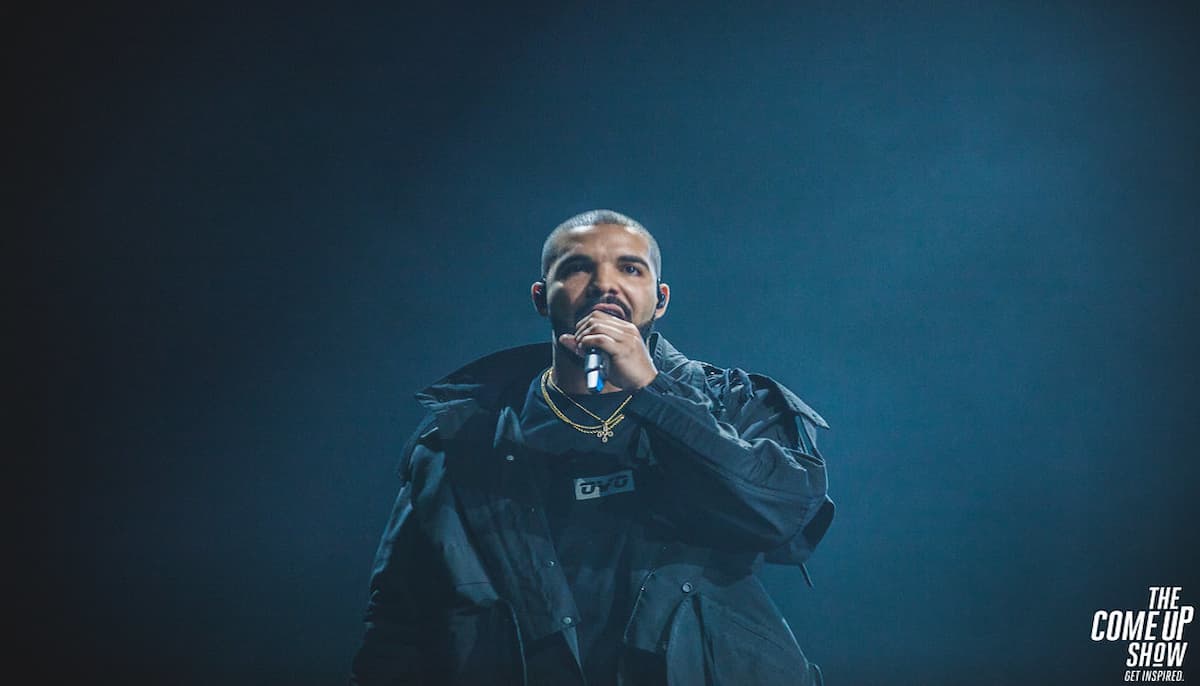
After a year of disputes, rapper Drake has been hit with a class-action lawsuit, along with streamer Adin Ross and George Nguyen. The three men are accused of promoting the illegal online casino Stake.us. They also allegedly used funds from the site to inflate streams of Drake’s music.
Plaintiffs LaShawnna Ridley and Tiffany Hines filed the lawsuit. It names all users of Stake.us as plaintiffs, referring to it as “one of the largest and most profitable illegal online casinos.” The suit also claims that the site used language to trick consumers and regulators when it was marketed as a social casino that does not allow real money gambling.
Drake and Ross Not Using Their Own Funds
One of the main points in the suit goes after the world-famous rapper and the popular streamer. It states:
Defendants Drake and Ross are paid by Stake to promote the platform. The two have engaged in live-streamed gambling, wagering large sums of money that was provided surreptitiously by Stake. In other words, though Drake and Ross purported to be gambling with their own Stake Cash, it was in fact provided to them by the house.
Influencer Bryce Hall backed up the claim that Drake was not using his own funds for large bets. He went on stream to say that Drake was getting as much as seven-figures per month for monopoly money to make bets while posing that he was putting his own funds at risk. Stake allegedly fronted Drake and Ross the money while getting a certain percentage.
Hall claimed that other similar betting companies offered similar deals in the past. He said he even tried to get with Stake. He ends the clip by saying “They were paying Adin Ross $1-2 million a month.”
Automated Bots Inflated Drake’s Music
Another part of the lawsuit dealt with Drake’s music. It laid out the scheme that Drake and conspirators put together:
Has deployed automated bots and streaming farms to artificially inflate play counts of his music across major platforms, such as Spotify.
The purpose was to rewire the algorithms of music apps to influence listeners.
Distort playlists and charts; and divert both value and audience attention. In tandem, this manipulation has suppressed authentic artists and narrowed consumers’ access to legitimate content by undermining the integrity of curated experiences
Image credit: The Come Up Show via Wikimedia Commons (license)