Poker Writer


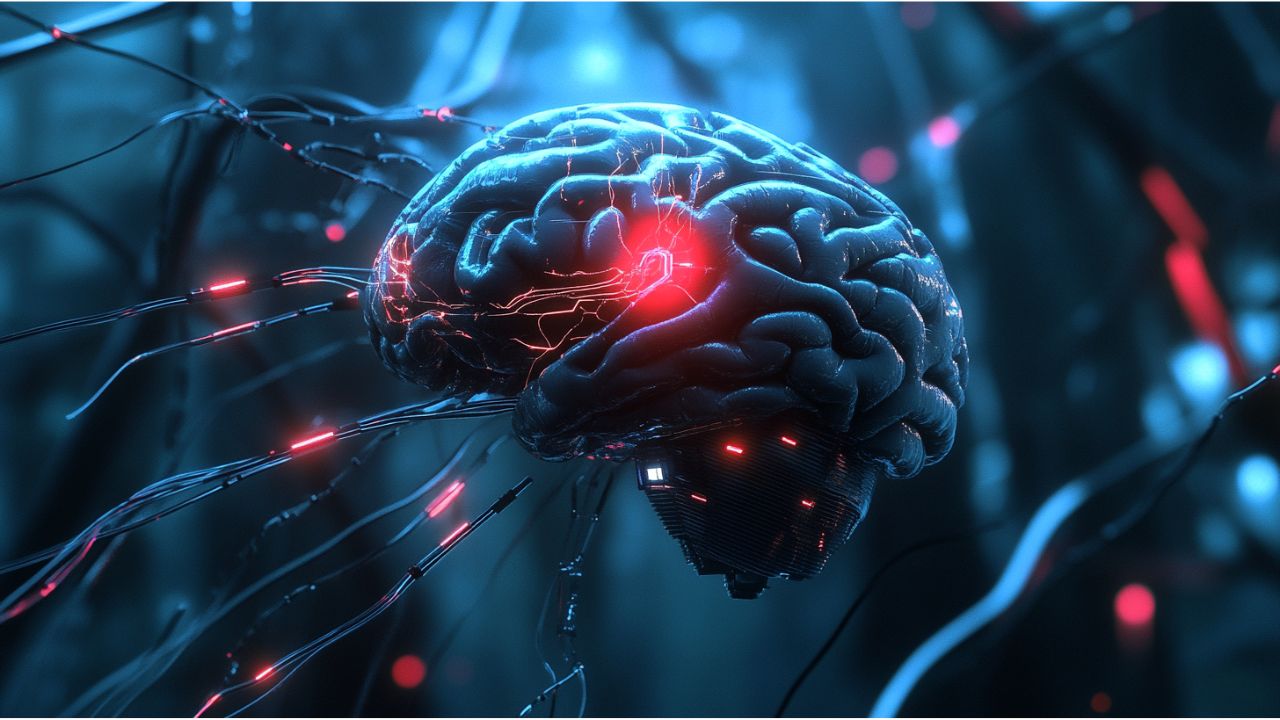
Chinese clinical trials looking to treat opioid addiction are believed to have triggered uncontrollable sexual urges and compulsive gambling in the patients. The patients underwent deep-brain stimulation (DBS) as part of the trial meant to assuage opioid cravings.
China has been a world leader in DBS research and has conducted trials related to drug addiction before in 2019 with methamphetamine. The company SceneRay conducted the opioid addiction trial in 2021 and 2022. An investigation by The Beijing News found that almost 20% of patients in a 60-person trial experienced side effects they described as unmanageable.
Process of the Trial
The 60 patients had electrodes implanted into the nucleus accumbens. The nucleus accumbens is a crucial brain region that is central to the reward system. It is the area of the brain that motivates pleasure and drives dopamine release. It is considered the neural interface between motivation and action, playing a key role in many pleasures such as feeding, sexual, stress-related, reward, and drugs.
The electrodes were connected to a pulse generator implanted into the patients’ chests. The electrical stimulation was intended to reduce drug dependence by stimulating the nucleus accumbens with electrical pulses. The theory was to directly stimulate that part of the brain so they no longer had to do so through drug addiction.
One Patient Gambled Away $28,000 While in the Trial
But in at least a few cases, the results were not that simple. One patient, who had a heroin addiction for more than a decade, developed other dependencies during the trial. He began to gamble compulsively and lost up to $28,000 over the span of a year, and then he relapsed on his drug addiction.
Other participants had varied reactions to the electrical stimuli. From anxiety, mania, slower reaction times, and intense sexual urges, including pornography addiction. In one instance, a man committed sexual misconduct and blamed the implant for his behavior. The court rejected his claim for lack of medical evidence of causality.
Several patients displaying increased desire to chase different highs indicate that the implant could overstimulate the nucleus accumbens as a whole rather than the intended result of stemming a specific addiction.
The device also created a higher baseline for stimuli for many of the patients, which they could not achieve without it. The aforementioned man, who gambled away $28,000, requested that his device be turned off. When doctors did, he had an immediate strong reaction, leaving him in a wasteland. He told Chinese media:
I grabbed the doctor’s hand and fell to the ground. I couldn’t endure it being turned off any more than it being turned on. I begged them to switch it back on. Only then did I feel alive again.
Although some patients not detailed in the report likely achieved successful reductions in opioid addiction, a sufficient number of contrasting cases demonstrated that altering the chemistry of the nucleus accumbens can be a significantly hazardous undertaking.
Environment Plays a Role
Artificial fixes, such as the electric currents in this study, are likely only a part of the fight against addiction. The famous Rat Park study from the 1970s showed that natural fixes like social connection and a healthy environment are powerful antidotes to addiction.
The specific environmental factors of the individuals in the DBS study were not presented. But one example can be taken from 2019 when “Patient One” became the first-ever patient in China to receive DBS implant treatment for opioid addiction. The man known as “Yan” cited bad influences from his environment as a primary factor in his slide to drug addiction. After he received the brain implant, his addictions seemingly went away, and his environment also improved.