Poker Writer


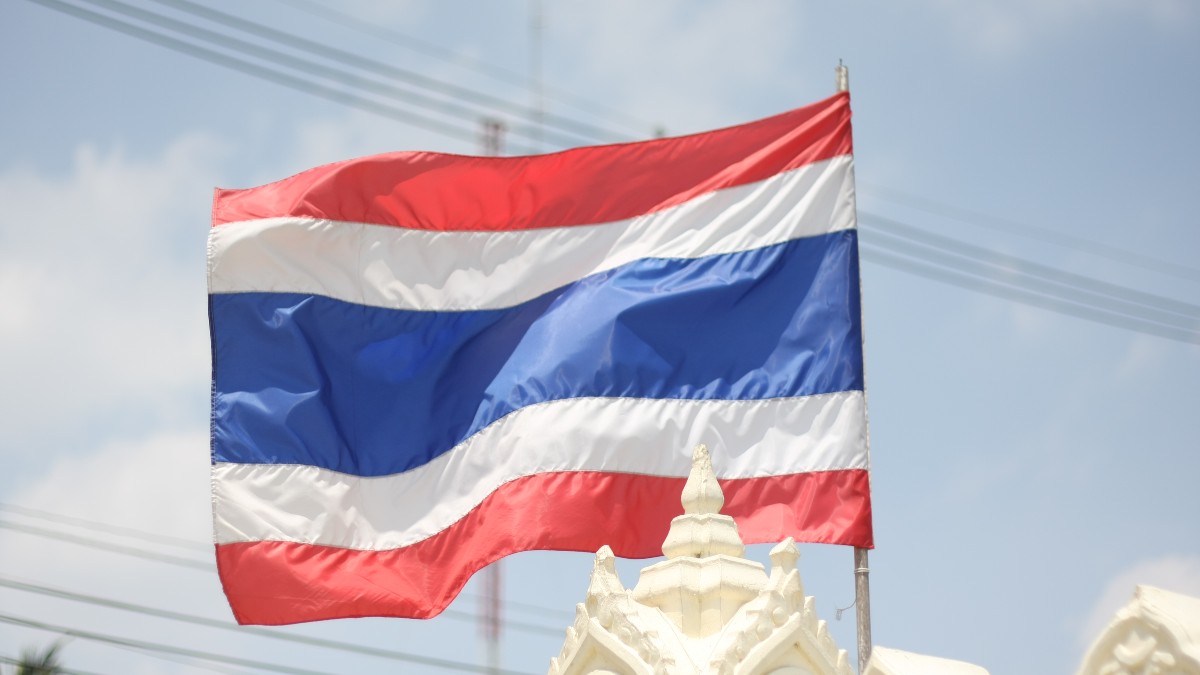
AI has emerged as a tool in the war against illegal gambling ads. More countries have begun turning to it in support of crackdowns. The most recent example comes from Thailand, where the government blocked a huge number of 13,888 illegal online gambling sites. The World Cup provided impetus for the crackdown, as it has spurred untold billions of dollars in worldwide betting.
Government officials filed petitions with the court to obtain orders to officially block illegal websites. The online platform provided officials with the tools to coordinate the removal of gambling pages.
The Royal Thai Police relies heavily on AI to do the dirty work of identifying, analyzing, and eventually blocking the illegal online gambling platforms. AI is more efficient at combing through the massive numbers of illegal sites. It allows government agents to more quickly identify offending pages, saving massive amounts of man-hours that would be needed to target sites one by one.
The current Thai regime has come out as very unfriendly to gambling.
It looked like those attitudes were changing in the nation of approximately 70 million as recently as last year. The nation opened its doors to the World Poker Tour, albeit with a convoluted payout system.
However, a succeeding government reversed course and quickly reinstated a nation-wide poker ban.
Keep Reading
Such Censorship Struck Down Elsewhere
AI censorship of gambling ads is possible in Thailand because the country already has very strict internet censorship. Internet freedom is restricted as the constitutional monarchy that rules the country imposes surveillance on activists and journalists.
Freedom House rates Thailand’s internet freedom score as 39 out of 100, a very low number, with a 14 out of 35 on content limits. The laws limit freedom for citizens, but also allow authorities to ban things deemed illegal more efficiently.
Other countries, such as China, can also impose such sweeping restrictions, since the government has the power to enforce internet censorship. But such bans aren’t as easy in countries with censorship restrictions, like the U.S. or Canada.
It is possible for ISPs in the U.S. to block access to certain URLs, but that often requires a court order. Widespread blocking of certain URLs is uncommon because it is hard to enforce.
In March, the U.S. Supreme Court upheld internet access rights after a challenge that would have held internet providers culpable for illegally downloaded music. The court ruled that ISPs would not be forced to cut off internet access to sites that allowed for illegally downloaded music.
In Quebec, courts have found that attempts to force ISPs to block unlicensed online gambling sites are legally invalid. The ruling was that provincial laws compelling ISPs to censor websites are unconstitutional.
Image credit: Dennis Wong/Flickr (license)