Poker Writer


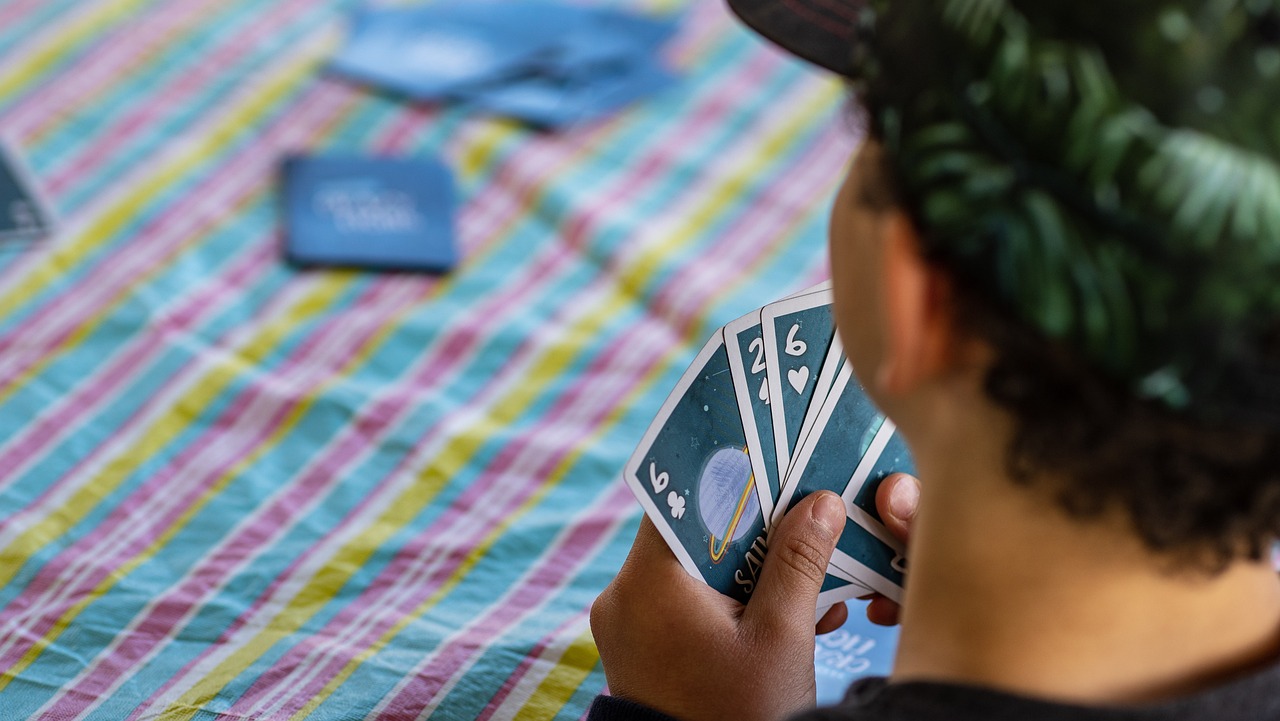
A Vermont school established an all-girls poker club to promote strategic thinking and skills to high school-age students.
Senior Lark McCarron at Champlain Valley Union High School in Hinesburg introduced the Poker Power club at her school this year. It’s a chapter of an international club of the same name.
The poker club eliminates the gambling aspects of the game while promoting other elements. McCarron explained the concept to Vermont Public:
We don’t play with any money. Because of this, there are no stakes. We are able to fully exercise our skills, and therefore, make mistakes, because the learning isn’t punitive.
Poker Power really is centered around education. They’re using numbers, not luck.
The club reported having between 20 and 25 girls who attended the weekly games.
Essentially, the club uses poker as a vehicle for teaching several skills to these high school girls. The club emphasizes making confident decisions with limited information, which is what poker is all about. It focuses on emotional resilience, negotiation, and confidence building.
This club reduces exposure to the potential negative aspects of poker. It minimizes focus on the luck and gambling aspects of the game. In fact, it specifically mentions “not relying on fate.”
Poker Power Club for Women
The Champlain Valley Union High School Poker Power club is an offshoot of the international poker club Poker Power, which trains women and girls worldwide to play poker with the aim of translating those skills to the business world and other decision-making situations.
While Poker Power was designed with women in mind, the club’s info notes that it’s “open to anyone looking to build strategic confidence.”
The Poker Power website claims to have 254,000 members worldwide. It has sections for pairing poker skills with career, money, self, and relationships. Taking smarter risks is the tagline for each segment.
Women in poker is always a hot button topic, as stakeholders seek ways to get more of them involved in the game.
While the Poker Power organization focuses on women, it’s much more about using poker as a personal growth and empowerment channel rather than emphasizing the strategy inherent to the game. The poker and self section is filled with women commenting on self-help routines that have nothing to do with poker. The career section has vague connections to poker through women discussing risk-taking and dealing with the unknown.
The community section frames a business hypothetical using poker terms:
Your job just dealt you a raw hand, and that righteous fury is bubbling. The real power struggle isn’t with an exec or the new hire; it’s the one raging inside you. Do you let emotion drive a ‘rage quit,’ or do you master the disciplined fold?
Poker for Kids at the Japan Poker Open
The high school poker club in Vermont calls to mind a Japanese poker event aimed at kids that was held at the Japan Poker Open Tour in May. The World Poker Federation Instagram page promoted the event. It was for kids and teenagers between the ages of 6 and 15.
As in Vermont, the youth-focused poker event promoted strategic thinking, emotional control, and informed decision-making. Logic and confidence were again key buzzwords.
Also mirroring the Vermont club, the tournament emphasized the dis-involvement of money and gambling.
However, differing from the Vermont club, the Japan event did have competition for prizes. Winners received an iPad, Nintendo Switch, and Disney passes.
Potential Negatives
Poker and underage players brings the inevitable worry about the negatives of gambling, including an early path to addiction.
Way back in 2006, at the height of the boom, poker on mainstream TV in the U.S. increased worry about children getting into poker. And while that was almost 20 years ago, the same potential pitfalls remain.
Family Circle editor Linda Fears laid out the risks in a 2006 interview:
Even playing a once-a-week, low-stakes game of poker can be risky for teens. For some, it can be the first step down the road to addiction. Kids are two-to-three times as likely as adults to become obsessed with gambling, and gambling is often the gateway activity to other risky behavior.
These days, sports gambling has become the pre-eminent worry for teen gambling addiction thanks to the ease of use on various apps, including unregulated ones. That type of addiction can be detrimental to a teen’s mental health, according to Innerspace Counseling:
Gambling amongst teens can lead to anxiety, depression, and other mental health disorders. Teens who gamble excessively may experience a decline in their mental health, affecting their overall well-being.
Hence, the desire that Vermont poker club and the Japan Poker Open have to quell the association between poker and gambling.
Positive Ways to Learn Poker
Many children learn poker at a young age from family and play for fun.
A Reddit discussion around “at what age would you teach your kid poker or would you even?” talks about the idea of children learning poker. Most of the users agreed that it was fine to teach children. In these cases, guardians should treat it as a strategy game, no different from any other card game or board game.
One user mentioned the positives of a child learning poker. They cited gambling control, risk assessment, and emotional control:
Teaching poker young and how to look at bets will help them to not have a gambling problem in the future. It will also keep them away from sucker bets like slots, or at least they will understand that they are just donating money for a little fun.
The strategic aspects of this point of view echo the aim of the Vermont high school poker club as well as the kids tournament in Japan.
But despite the best efforts to minimize the gambling aspects of poker, the risk-taking aspect will likely still attract some kids. The chance of that appears higher in the Japan tournament, with the kids in competition with one another to win prizes. However, that is no different than any other game that rewards winners. A key differentiator: the players don’t risk anything.
Because the Poker Power club for girls is crafted more like a self-improvement club, the risk seems even lower. The girls who get involved are doing so for the skills as well as the fun of making friends by participating in a club with peers.
Overall, both of these poker avenues for young people appear to do a good job of reducing the risks while amplifying the positives. Convincing more youth poker clubs or events to emerge could be an uphill battle. But emphasizing the positive, all-ages aspects of poker remains a potential avenue to spreading the popularity of the game.