Poker Writer


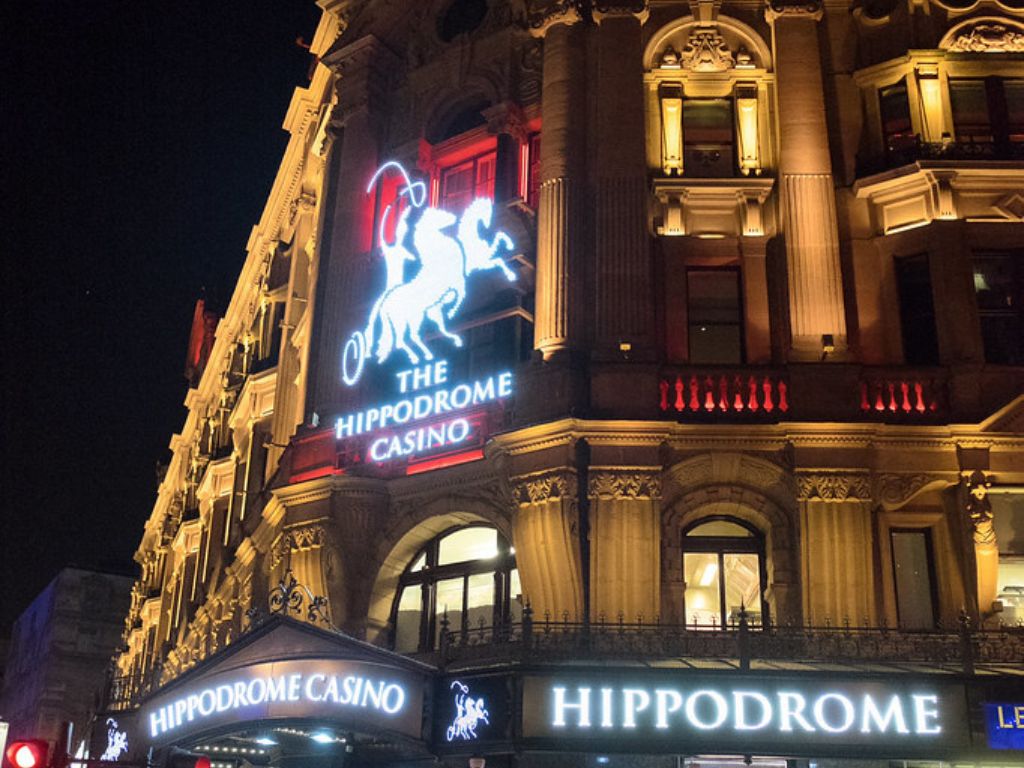
London poker player Dr. Mortaza Sahibzada has had his damages case against the Hippodrome Casino dismissed by the court. In September 2023, Sahibzada was banned from the Leicester Square casino in London, a ban he claimed was unfair and racially motivated. He had filed a damages claim of £100,000 against the Hippodrome for the unjust banning.
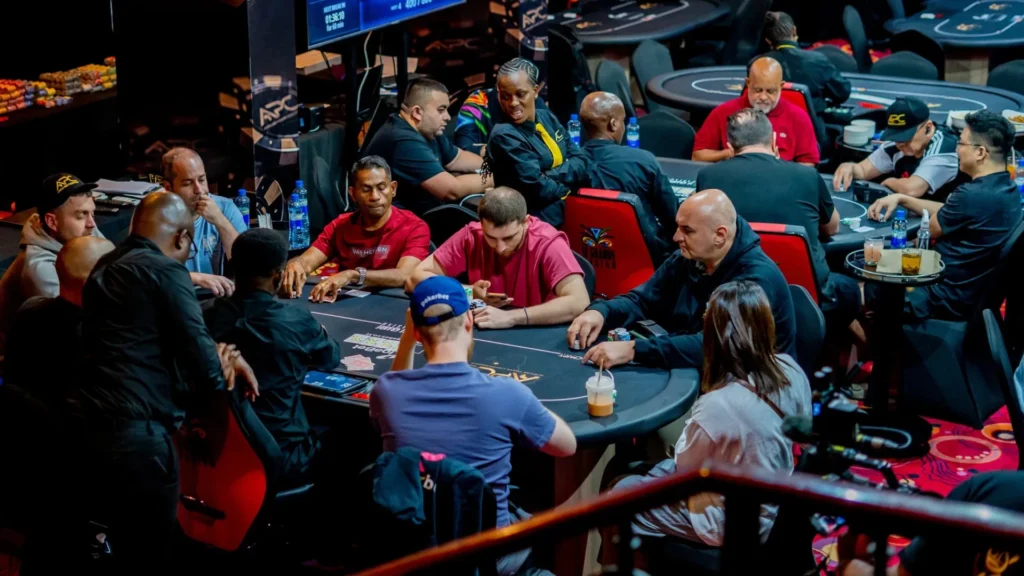
The Hippodrome banned Sahibzada for his frequent “hit-and-run” style of gambling at the poker cash game tables. He would often go to a table, then leave within minutes of winning a big pot, a practice widely frowned upon among cash game poker players. He left the table after accumulating winnings of £75 and never gave his opponents any chance to win it back.
Why Sahibzada’s Case Had No Chance
The chances of Sahibzada winning the damages case against the Hippodrome were slim to none. Casinos always have the right to refuse service to certain individuals and can ban anyone on a moment’s notice. The reasons for banning can range widely. Unruliness, frequent intoxication, and even cases of suspected cheating are some of the most common reasons for someone being banned from a casino.
Sahibzada’s ban stemmed from undermining the cash game poker experience for other patrons. The Hippodrome poker room received many complaints from the hit and run style of play.
He claimed that his ban was a breach of contract. Harry Stratton, the barrister for the Hippodrome Casino, explained why the breach of contract argument fails:
It is not clear on what basis he says he has a legal right to gamble at Hippodrome…. I cannot see how it can be said that there’s been any breach of a particular contract in these circumstances. The casino is entitled to decide who does or doesn’t come within its premises and use its services.
The poker player said that poker contributed to his livelihood and that the ban stripped him of a source of income. Being of Pakistani heritage, he also claimed that the ban was based on racial discrimination and a violation of the 2010 Equality Act.
They don’t like foreigners winning, which is how they see me – although I’m not actually a foreigner.
But the court found that the claim lacked merit. There was no evidence that his ethnic background played any role in his ban. The ban stemmed from his behavior at the poker tables.
Did His Strategy Have Any Merit?
Despite being ultimately banned from the Hippodrome, Sahibzada’s strategy appears to have been effective. He claimed to have been making as much as £2,000 a month and rarely having losses.
He described his style as a niche in “safe gambling” with very modest targets that he said he mastered.
What he likely did was wait for premium hands and try to win modest pots with them. Playing a smaller number of hands with premium holdings reduced his chances of losing money during his sessions.
Since he apparently had no real desire to play cash game poker or be what would be commonly described as a cash game pro, his particular strategy has some merit from the perspective of simply gaining an advantage.
The issue with his strategy was that he played at the same location repeatedly. Regulars quickly became fed up with his style. If he had lived in Las Vegas and spread his strategy across the many casinos in Sin City, he could have gotten away with it for longer and made it less likely he would be banned at a particular venue.
Why is ‘Hit-and-Run’ Cash Game Poker Frowned Upon?
Sahibzada’s method would not go over well at any casino if he consistently employed the tactic. Cash game players have an unwritten rule against hit-and-run.
The main reason being it takes money off the table. If a player wins a big pot or wins a lot in a short time and suddenly dips out, all of their money is off the table, giving the rest of the table no chance to win any of it back. It violates the idea of a fair poker game that is decided over a longer period of time. The amount of money at the table shrinks, thinning the winning potential for all players.
Widely accepted etiquette is for a player to announce that they will be leaving the table in a few hands rather than abruptly leaving. However, that’s more true for players who win a huge pot, which doesn’t appear to have been part of Sahibzada’s play.
As for the poker room, it has a vested interest in keeping regulars happy. If regular players in the games avoid sitting due to their frustration with a player like Sahibzada, that’s bad for business.
At the end of the day, the scenario just comes back to casinos having the right to refuse service. If the Hippodrome believes Sahibzada has a negative effect on business, the property is within its rights to bar him. There is no such thing as the right to play poker or gamble in general.