Poker Writer


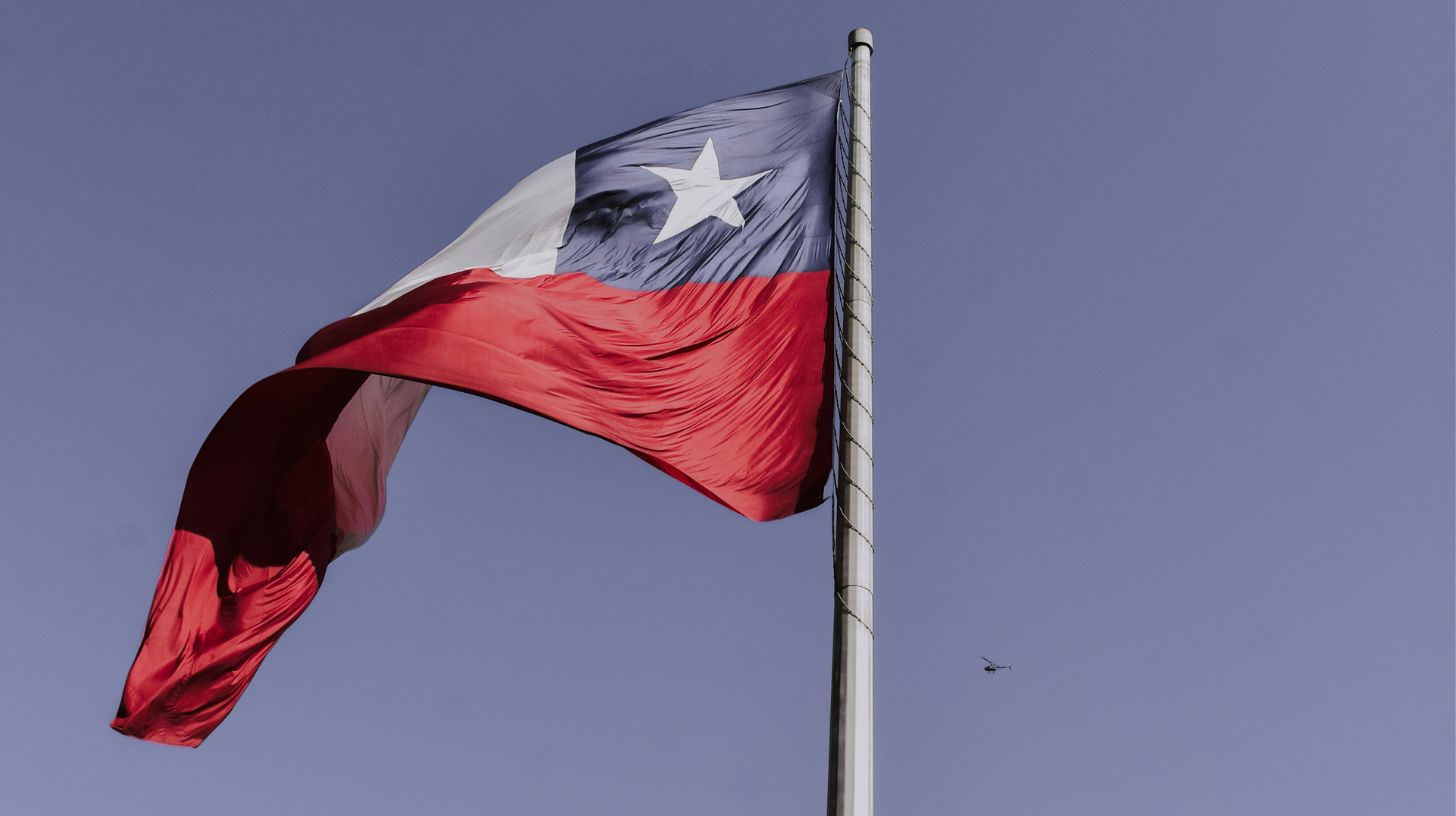
Chile has made unprecedented moves to ban unauthorized gambling in the country by looking to block mirror sites in addition to the restriction of gambling websites. The Supreme Court in the South American country judged that telecom companies must block mirror sites that attempt to keep the practice of illicit online gambling alive.
Mirror sites provide access to a given website through a different URL. They are often used by gambling sites for multiple reasons, including diffusing traffic and, most importantly in Chile, routing customers around blocks.
The ban on gambling websites has faced some difficulties in Chile.
Representatives from the telecom companies claimed that they could not effectively ban mirror sites:
…we only have the technical capacity to block the main links, and attempting to block mirror sites could unintentionally affect other internet services.
Court of Appeals Ruling Overturned
The Court of Appeals of Santiago agreed with the telecom companies. It ruled that the case was closed and that it was reasonable to limit the banning measures to the primary domains alone.
However the Supreme Court disagreed with the Court of Appeals decision and overturned that ruling. The main point of contention for the Supreme Court was that illegal gambling activity continues in Chile “due to omission.” The view was that simply banning the sites but ignoring the mirror sites that continue to crop up is not a sufficient enough way to deal with the issue.
How Effective is an Online Gambling Ban?
This case in Chile shows that simply banning online gambling does not mean the practice stops or even slows down in the country. There are myriad ways for people to create mirror sites that are an exact copy of a website but hosted on a separate server with a different URL. The mirror sites reproduce the original site’s content and structure.
Even beyond mirror sites, citizens in a country where gambling is technically banned can still bypass the bans in various ways. They can use underground or offshore markets. In many cases, the bans are merely hurdles for those who use VPNs or crypto payment sites.
Passing a ban with a bill and then assuming the work is done does not effectively eliminate gambling.
Chilean Gaming Regulatory Oversight
Regulatory oversight is often needed. Independent bodies need to monitor industries that provide gambling. Many countries have instituted regulatory oversight committees.
Chile’s regulator has lacked authority over online gambling until recently, when there is hope that 2026 will mark a new level of gaming regulation.
Carlos Baeza, a Chilean lawyer, stated at the start of 2026:
Chile has a real opportunity to introduce a modern, robust regulatory framework for online gambling that protects consumers, tackles illegal activity, and delivers meaningful public benefits.
While movement has begun toward a regulated market, that won’t become a reality until 2027 at the earliest.
Until then, the Chilean Supreme Court has ruled that internet service providers have a key role to play. The onus is on them to ensure that Chilean customers aren’t simply accessing gambling outlets through easy workarounds like mirror sites.