Editor


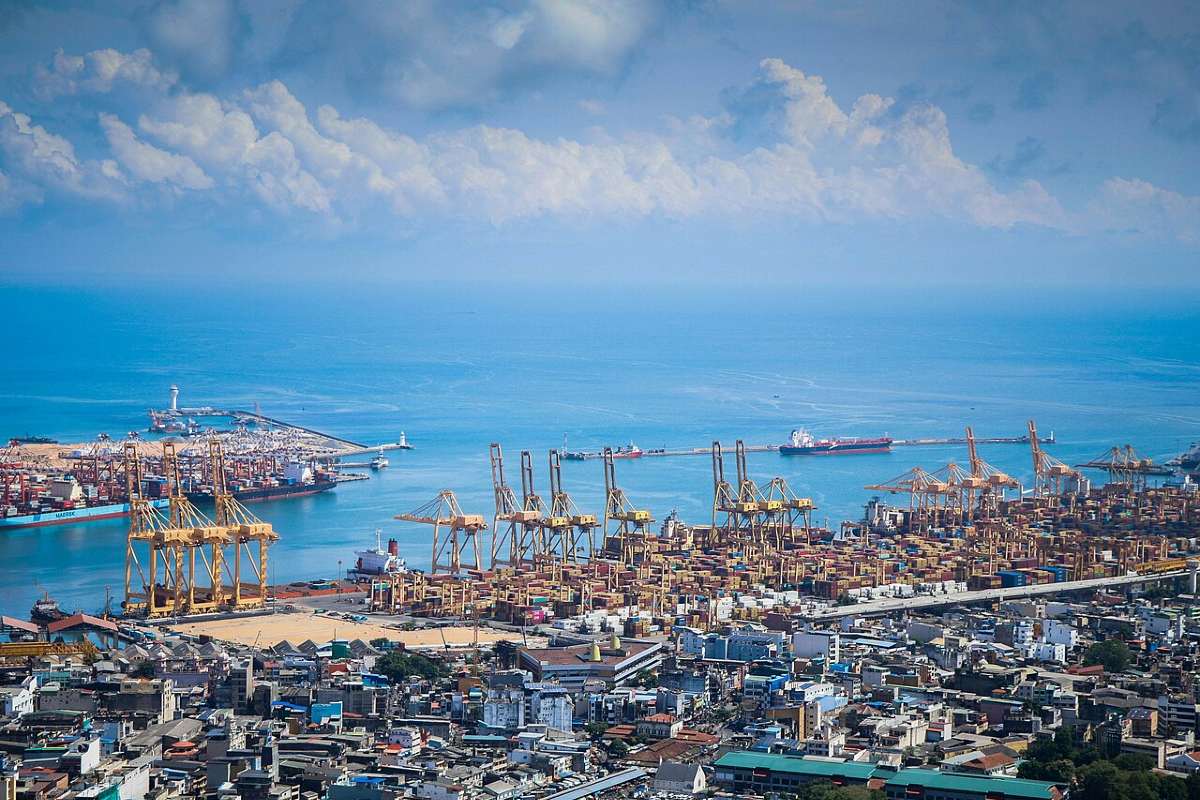
Recruiters are dangling $2,000 a month salaries and free accommodation to lure people who previously worked in the formerly legal Philippines offshore gambling sector to a reclaimed patch of land off Sri Lanka’s coast.
According to an investigation, thousands of these workers are heading to the Colombo Port City Special Economic Zone, prompting the authorities there to take action. Financial news outlet MonetaBrief conducted the probe, and the Sri Lankan newspaper The Island published it.
The investigation found that some of the biggest online gambling syndicates now running out of the island appear to be former Philippine Offshore Gaming Operators (POGOs).
The Philippines shut these operations after banning the sector outright, with the ban taking effect in November 2025. Many operators packed up and went looking elsewhere for a friendlier region, and it seems many ended up in Sri Lanka.
Thousands of Foreign Nationals Have Arrived in Sri Lanka
The job listings provide the most telling evidence. According to the MonetaBrief investigation, recruitment companies are actively targeting experienced gaming workers from the Philippines, China, Vietnam, and Cambodia, pitching Port City as a more stable home for the online gambling trade than jurisdictions that are cracking down.
Ads reportedly dangle monthly salaries of between $1,200 and $2,000 for roles in marketing, customer service, search engine optimization, and administration, sweetened with accommodation and other perks. Recruiters once used a similar strategy to staff the Philippine compounds.
The investigation reported that thousands of foreign nationals have moved into the country for online gambling jobs, and some don’t hold valid work permits.
Getting Help From Local Companies for Visas and Work Permits
What makes the Sri Lankan situation trickier is the way illegal networks have potentially woven themselves into legitimate business structures. According to the MonetaBrief findings, large online gambling groups appear to operate either within the Port City ecosystem or through companies approved by the country’s Board of Investment.
Local companies are reportedly helping these operators set up shop, including assisting them with securing residence visas and work permits. These operations aren’t chasing Sri Lankan gamblers. They’re targeting markets where governments restrict or outright ban online gambling, with Vietnam identified as a primary destination, along with African markets such as Nigeria.
Delays to the Implementation of the GRA Don’t Help
The choice of Sri Lanka is not accidental, as Sri Lanka is still rebuilding from its 2022 economic collapse. Analysts warn that criminal networks look for exactly the poverty and governance gaps that the crisis left in its wake when scouting new territory.
A nation eager for foreign investment, with a marquee special economic zone and its own distinct legal framework, offers an attractive proposition for operators who prioritize ambiguity. Developers reclaimed Port City Colombo from the sea next to the capital’s shoreline and designed it to court international capital.
The Sri Lankan authorities are trying to play catch-up. The Gambling Regulatory Authority (GRA) Act came into effect on Dec. 1, 2025, making it an offense to provide gambling services in the country without a local license.
However, the GRA missed its parliamentary deadline of June 30, 2026, to become fully operational, while authorities continue working on broader licensing and enforcement regulations. Deputy Minister for the Digital Economy Eranga Weeraratne has stressed that the planned rules will apply nationwide, including in Port City.
The Philippines Crackdown Led to a 20% Lower Q2 GGR
The Philippines offers Sri Lanka a cautionary tale about what can happen when authorities allow POGOs to flourish for years. Only after associated money laundering, human trafficking, scam call centers, and links to organized crime became politically untenable did President Ferdinand Marcos Jr. order the sector shut in 2024.
As part of the enforcement response, authorities pursued civil forfeiture, allowing them to seize property and assets tied to unlawful POGO activity. Authorities have even repurposed some seized compounds, including as accommodation for trafficking victims.
The crackdown has been costly, with PAGCOR, the Philippine gaming regulator, reporting that second-quarter 2026 gross gaming revenue (GGR) fell about 20% year on year, after a 15.9% first-quarter decline. Sri Lanka has now inherited an industry that the Philippines spent years trying to contain, and is playing catch-up in a regulatory sense to contain it.