Poker Writer


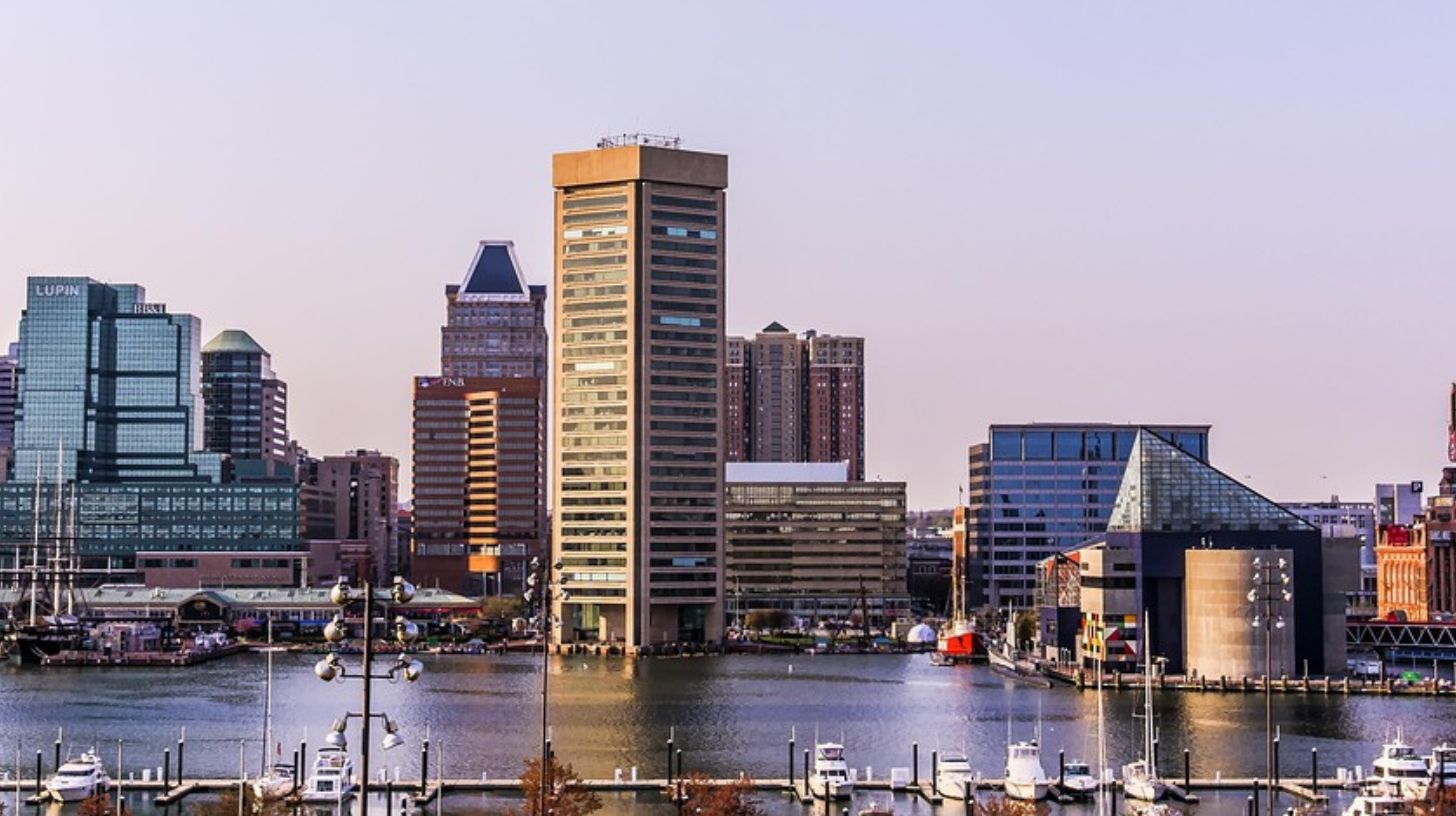
The city of Baltimore has sued six sweepstakes casino giants for operating illegal gambling enterprises in violation of Maryland law. The most populous city in Maryland sued VGW, Stake, McLuck, Pulsz, High 5, and Blazesoft.
The documents shown on X by Daniel Wallach show the course of action taken by Baltimore. The city will seek disgorgement of ill-gotten gains, restitution, civil penalties, and injunctive relief.
Harsh Words For Sweeps Casinos Targeting of Young People
The prosecutors did not parse their words when going after the sweepstakes casino giants, accusing them of making the games visibly fun and appealing, particularly to young people.
They wrap these gambling products in colorful, cartoonish packaging—animated characters, spinning treasure chests, and ‘leveling up’ mechanics—drawn directly from the mobile games popular with children and adolescents.
Additional appealing things such as celebrity endorsements and social media influencers make for a gambling operation dressed up as a children’s game. These games are marketed toward young audiences which the prosecutors say come from offshore jurisdictions.
The documents also point out that, unlike regulated gambling operations, these ‘social casinos’ offer nothing to the city. While the potential issues of gambling addiction can stem from both forms of gambling, regulated gambling does contribute some positives to Baltimore to offset that. Regulated gambling contributes to state tax revenues and funds problem gambling treatment programs.
Cities Take Matters Into Their Own Hands With Sweeps
While several states have filed lawsuits against sweepstakes casino operators, it is rarer for a single city to do so. Baltimore is only the second city to have done so after Los Angeles, which sued Stake.us in September 2025 for allegedly operating illegally within the state.
Los Angeles sued Stake for ‘activities in violation of California’s strict anti-gaming laws’. Like Baltimore, Los Angeles prosecutors pointed to the destructive repercussions for its players and how it reflected badly on the city, while providing no local benefits.