Deputy Editor



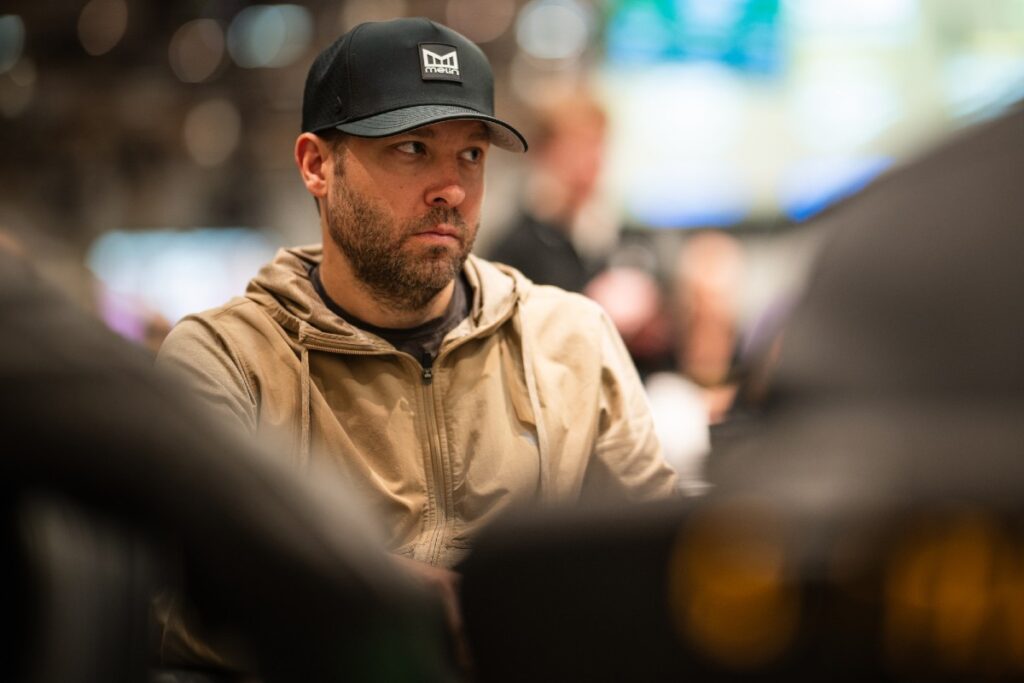
Top tournament poker pro Mario Mosböck publicly outed a CoinPoker cheater after the player, who goes by “LazyAss,” accused the site of stealing their money. Mosböck, an ambassador for the site, turned the controversy into an opportunity to discuss poker site security and show why CoinPoker is among the safest sites to play on. He posted some of the evidence uncovered against LazyAss, explaining the rationale for his ban.
CoinPoker confiscated $10,000 in ill-gotten funds.
The incident showcases some of the tools that poker sites employ to keep players safe against real-time assistance (RTA) and other forms of cheating. With the emergence of superhuman poker-playing AI, RTA has emerged as the biggest threat to online poker since the Ultimate Bet superuser scandal of 2007. The idea that opponents might be getting their moves from an unbeatable computer is now one of the biggest fears for many recreational players in online poker, making it an existential threat to the game’s future.
Mosböck noted that catching cheaters is “extremely hard” and thanked both the CoinPoker security team and GTOWizard. That company produces the tool LazyAss used to cheat, but also provides the means to catch players like him. GTOWizard is a training tool that allows players to “solve” hands very quickly to reveal the optimal strategy for playing them. The product’s speed, which uses a neural network for postflop calculations, is its greatest selling point. However, it also makes it fast enough to use in real-time during an actual hand, which is against the terms of use for both GTOWizard and every credible poker site, yet too tempting for some players to resist.
Fortunately, GTOWizard has built-in safeguards to expose anyone foolish enough to cheat this way, so long as the site is willing to do its part as well.
Keep Reading
LazyAss Cries Foul After CoinPoker Security Flags Play
The entire situation started with a Reddit post by LazyAss. They claimed CoinPoker had frozen their account with $10,000 in it despite having “virtually no concrete evidence.” They said they were sent only a few hand IDs deemed “suspicious” by the security team.
“CoinPoker provided almost no evidence and no opportunity to truly defend myself,” the player wrote.
“I want to warn others: If you choose to play on CoinPoker, be aware that this could happen to you. Even if you’re completely innocent, you might be flagged by an algorithm or a cursory review, and you won’t get a chance to clear your name. Your funds can be confiscated.”
However, that attempt to tarnish CoinPoker’s reputation quickly backfired.
How CoinPoker Uncovered RTA Cheating
In actuality, CoinPoker’s security team had used GTO Wizard’s Fair Play Check (FPC) tool to confirm that LazyAss had been using GTOWizard to get answers during actual play. The Fair Play tool allows anyone to look up whether a particular hand has been solved by GTOWizard before and, if so, when.
In a rare behind-the-scenes glimpse at how online poker security teams operate, Mosböck provided screenshots of FPCs that exposed LazyAss’ cheating.
2)🧵Player "LazyAss" posted on reddit a lenghty explaination about how Coinpoker incorrectly froze 10,000$ in his account and it gained tracktion.
Here is the truth:
He cheated by using @gtowizard during hands. Attached is the proof from a @CoinPoker_OFF internal security… pic.twitter.com/ErzUAWmIEu— Mario Mosböck (@mariomosboeck) November 6, 2025
Mosböck showed three hands played by LazyAss. In each case, timestamps on the FPC matched the times identical hands involving LazyAss had occurred on CoinPoker. Counting only a player’s hole cards and the five community cards, there are over 56 billion possible runouts in Texas hold’em. Even ignoring player actions, the odds of a hand being solved at the same time it’s being played on a poker site are vanishingly small. For the player actions and bet sizes to match exactly as well is essentially impossible to happen by chance even once in the entire history of poker solvers, let along repeatedly for the same player.
Mosböck also said the provided proof was just the “tip of the iceberg,” hinting that many more such hands existed.
To PokerScout’s knowledge, LazyAss has not responded to Mosböck’s post. Admins have rebranded the Reddit post with a subhead noting that the OP is a “proven cheater.”
RTA in Poker Remains a Persistent Threat and Problem
Mosböck noted that working with solver companies to uncover poker cheats is “essential” to keeping CoinPoker safe.
“What I can say confidently is that these topics are taken extremely seriously, and there’s major investment going into keeping the games clean and providing a safe space for players,” he wrote. “Coin spends millions a year to improve the softwares/process to have detection on the same level as the cheaters.”
As solvers become more powerful, faster, and more easily accessible, the risk of RTA continues to rise. Poker operators must likewise continue to evolve and strengthen their detection methods. Cheaters versus security is essentially a never-ending arms race as both sides fight to stay ahead of the curve.
One scary aspect of many RTA cases is that the sites themselves haven’t always unmasked the cheating. In one prominent case, Nacho Barbero told on himself when attempting to make a marketing post. In another, high-stakes cash player Fedor Kruse’s roommates outed him for RTA use.
These cases back up Mosböck’s assertion that conclusively finding and banning cheaters remains difficult. However, poker sites that care about the safety of their ecosystems will continue the fight in earnest.