Poker Writer


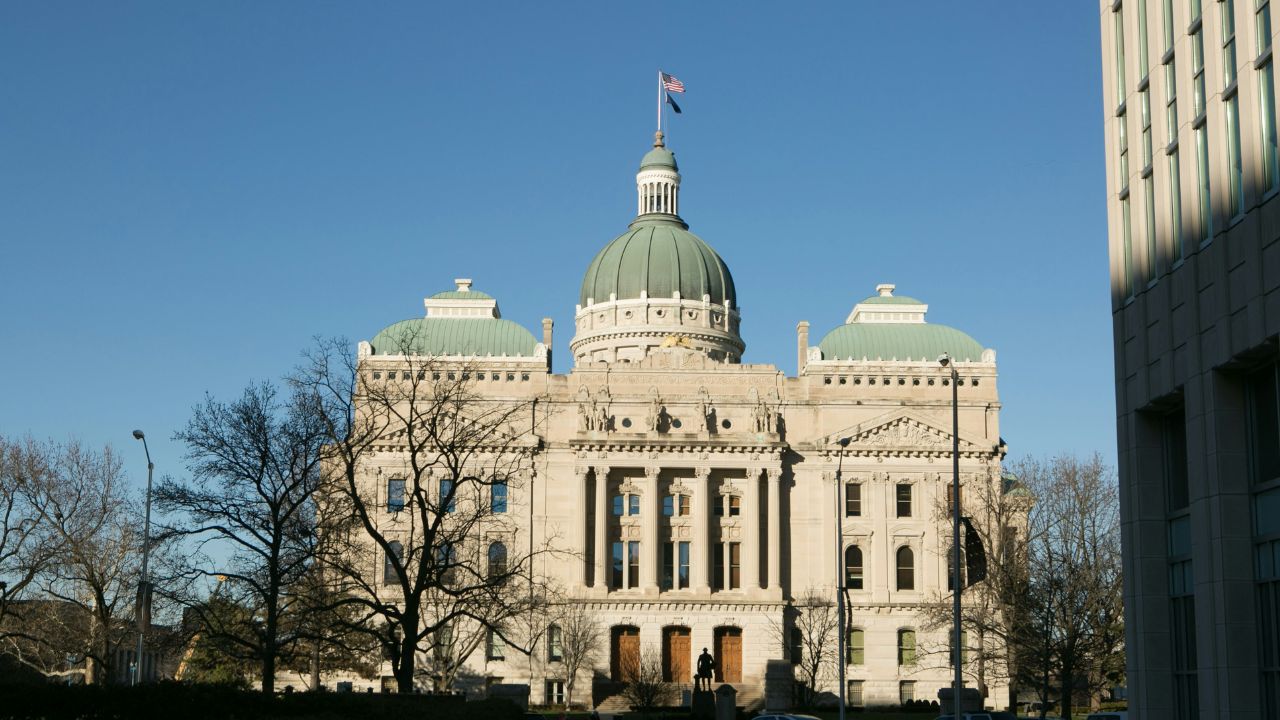
The Social Gaming Leadership Alliance (SGLA) is urging Indiana lawmakers to consider the potential impact of banning sweepstakes casinos, as proposed in Indiana House Bill 1052.
House Bill 1052 would prohibit online sweepstakes games as the debate over it ratcheted up on January 6th. The committee did not vote on January 6th and will push the decision to another date.
The managing director of the SGLA, Sean Ostrow, outlined the alliance’s stance on the proposed bill:
Social Plus games are a safe, legal form of entertainment that has been operating responsibly in Indiana since 2012. HB 1052, as currently written, would criminalize law-abiding businesses while doing little to stop illegal operators who exploit consumers. The hundreds of thousands of Hoosiers who enjoy these games deserve a regulated environment that protects them and preserves choice.
Social Plus is an online sweepstakes casino rebrand that has been updated to better reflect the platform’s entertainment focus, rather than its gambling aspect. Others at the hearing noted that Social Plus games have had a “near constant pace of innovation in gaming and entertainment overall.”
Opponents of the bill argued that it signifies that the Hoosier State is not open to digital innovation.
Other critics of the bill argued that it will not protect consumers from bad actors. The bill will not be a deterrent to the bad actors from preying on consumers according to the Chief Financial Officer of ARB Interactive.
Responsible Regulation Instead of Ban
Ostrow argued that responsible regulation, instead of an outright ban, would be the more prudent approach for the Indiana government. He called it “the more pragmatic path forward”.
One of the arguments in favor of keeping the sweepstakes casinos is that they generate meaningful tax revenue while keeping the games accessible to adults; a ban would quash those revenues.
The SGLA has argued for enforcing strict age verification, data privacy and responsible gameplay protections.
The sweepstakes industry previously made a similar push for regulation rather than prohibition in New Jersey. That effort got as far as the introduction of a bill last year that would have classified dual-currency social casinos as a form of gambling, allowing the operators to seek licenses on the same terms as real-money online casinos. The state ultimately rejected that proposal, however, opting for a ban instead.