Deputy Editor


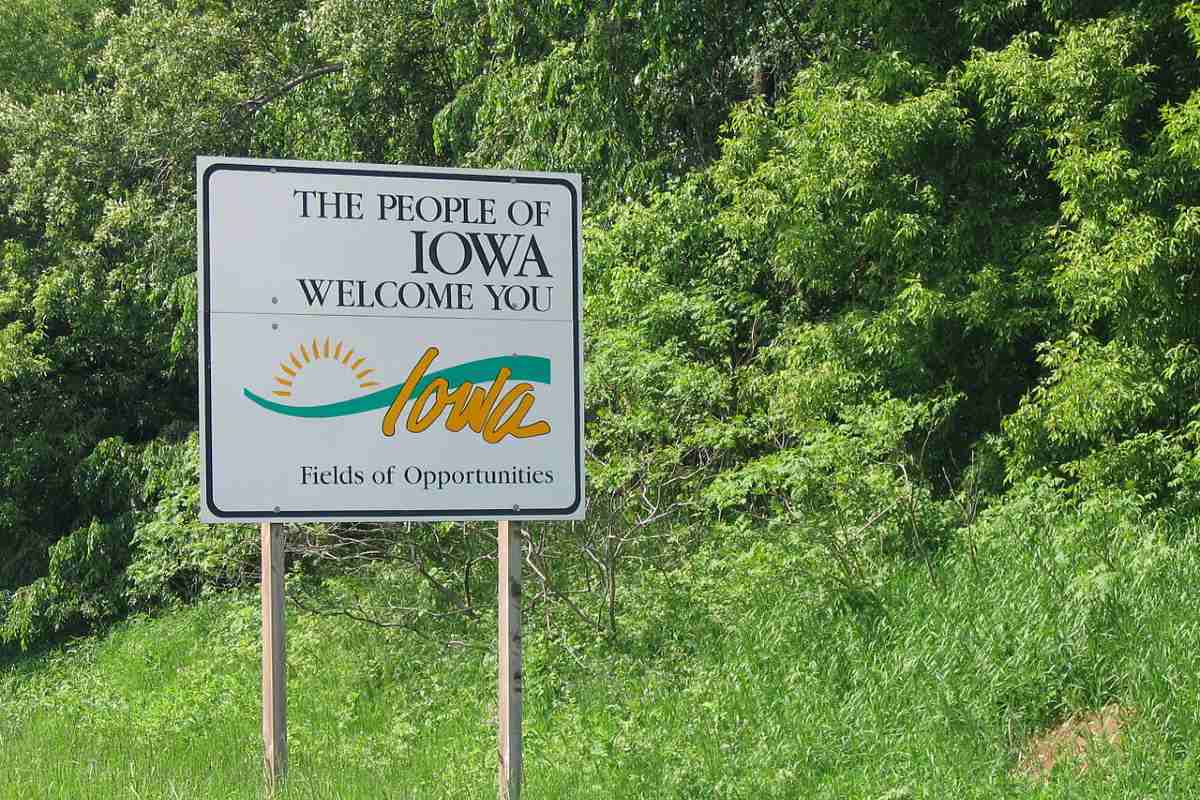
Iowa could soon see commercial poker cardrooms legalized, if an effort by Sen. Jesse Green gains traction.
Dedicated poker venues would expand the current Iowa poker scene, which limits retail poker to casinos. The most popular rooms currently operating are in in Council Bluffs (across the Nebraska border from Omaha), Riverside (near Iowa City), and Des Moines. Iowa does not have online poker or casinos, though it does have online sports betting. There’s currently no iGaming bill under consideration in the state legislature, although the idea was floated in 2024.
Iowa SF 2134 Would Allow Legal Poker Cardrooms
Sen. Green’s proposal for cardrooms is a standalone bill, SF 2134.
It also changes the wording of a separate law that allows individuals to gamble socially. In its current form, that law allows social gambling on anything that isn’t a “casino-style game.” Green’s proposed change would make it more explicit what types of games are permitted.
This bill changes the list of games allowed as social gambling between individuals from games of skill and games of chance, except casino-style games other than poker, to instead include card and parlor games.
Such games would include “poker, pinochle, pitch, gin rummy, bridge, euchre, hearts, cribbage, dominoes, checkers, chess, backgammon, pool, and darts.”
Cardrooms would not be permitted to offer sports betting or other forms of gambling, including pari-mutuel wagering. Rake limits would be set by the gaming commission.
Like most states, Iowa doesn’t currently allow raked poker games outside of casinos. It does allow limited real-money “social gambling” that satisfies the following conditions:
- No one is profiting outside of the players
- Everyone is 21 or older
- The establishment has a social gambling license
- No one can win or lose more than $200 in a 24-hour period
- Players have a social relationship outside of the game
Social gambling licenses cost a pittance, $150 for two years if the establishment serves alcohol, and $100 if it does not.
Is There Space in the Market for Commercial Cardrooms in Iowa?
Given that Iowa already has small-stakes social gambling and casino cardrooms that host bigger poker action, it’s not clear that it has a market for retail cardrooms.
The retail cardroom model has become most prominent in states with large populations and/or restrictive gambling regulations.
Texas provides the most instructive example. It has no legal casinos outside of a handful of tribal properties. Thus, retail cardrooms have thrived in the past decade, overcoming ongoing legal challenges to remain in operation.
Florida and California have legal casinos, but they are controlled by tribal interests. Retail cardrooms have dealt games for years. Legal challenges have been a constant reality in those states as well, though they’re usually between the cardrooms and the tribes, rather than the cardrooms and the local governments.
Iowa has a relatively small population (about 3.2 million) and a robust regulatory framework for casinos to deal poker.
Green may have a vested personal interest in getting broader legal cardrooms established. He’s a frequent participant in Major Series of Poker the Tour (MSPT) tournaments in Riverside and has $157,171 in tournament cashes, according to his Card Player profile.
Image credit: Jason Riedy/Wikimedia Commons (license)