Editor


Federal prosecutors are preparing to dramatically escalate their case against suspects arrested in an alleged gambling bust in Northwest Indiana. They announced plans to add charges under the Racketeer Influenced and Corrupt Organizations (RICO) Act, a legal statute typically deployed athe country’s most entrenched organized crime groups.
What began as a gambling and extortion case is now becoming something much bigger. Federal prosecutors are framing it as a structured criminal organization operating in the manner that RICO specifically targets.
Assistant U.S. Attorney Philip Benson made the disclosure in court before Magistrate Judge Andrew Rodovich, telling the court that prosecutors would bring additional charges and a formal RICO count in a superseding indictment. The announcement came less than two months after federal agents swept into Northwest Indiana and made the investigation public in dramatic fashion.
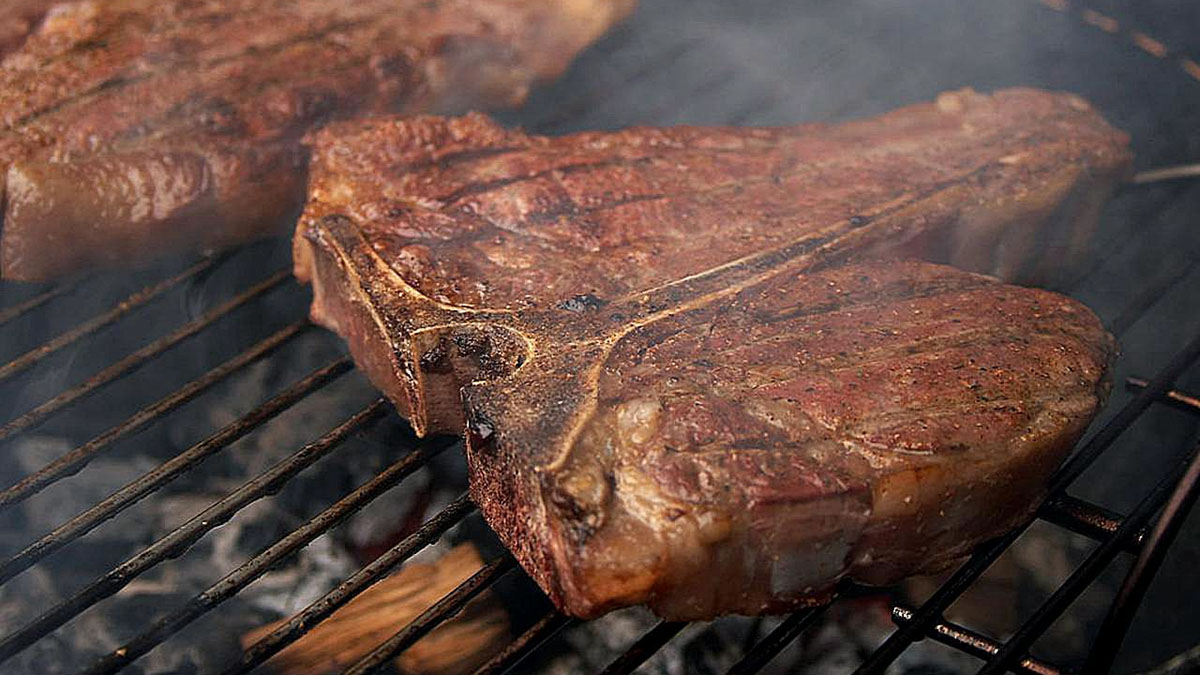
Operation ‘Porterhouse Parlay’
A federal grand jury in April returned a sweeping 28-count indictment charging 22 people with running an illegal gambling operation that allegedly used extortionate means to collect debts and launder the proceeds.
FBI agents and state law enforcement executed search and arrest warrants at Gino’s Steakhouse and Paragon Restaurant, both owned by James Gerodemos and his family. Investigators gave the operation the name “Porterhouse Parlay,” an apparent nod to the steakhouse setting at the heart of the alleged enterprise.
The illegal gambling operations took place both online and in person between approximately January 2021 and April 2026. The FBI placed an undercover employee at the restaurants for more than a year as part of its investigation.
An Expansive, Multistate Bookmaking Operation
Prosecutors allege that the Gerodemos Gambling Organization stands apart from a normal bookmaking operation because of its geographic scope and its willingness to use both intimidation and force across state lines.
Associates allegedly operated as far afield as Arizona, Massachusetts, Illinois, and Puerto Rico, while members allegedly made threats in Texas and attempted extortion in Florida. It looks a lot more like a nationwide criminal network than a neighborhood betting ring.
Benson also mentioned that federal prosecutors in Chicago had text messages and bank records allegedly showing members of the organization paying an Illinois prison inmate to collect money a bettor owed. This type of evidence matters when prosecutors establish that criminal acts form part of a pattern of racketeering activity through an ongoing criminal enterprise.
The RICO statute allows the government to link together predicate crimes — such as extortion and money laundering — and prosecute them as a cohesive criminal enterprise. Some states, like Louisiana, are looking at implementing their own version of RICO specifically to go after unlicensed gambling operators .
Defense attorneys anticipated the government’s move. John Cantrell, who represents defendant Peter Pavlou, told the court at a May arraignment that the RICO charge was inevitable. He talked about how the prosecutors are “going to use their playbook, and it’s something that most of the attorneys in the room have experienced.”
In recent years, federal prosecutors have deployed RICO charges against gangs in several high-profile cases, dismantling leadership structures in the process as they pursue broader criminal enterprises.
Federal Investigation Continues
Mildred emphasized when announcing the original indictment that the case remained open. He encouraged anyone with relevant information, or anyone who thought they had become a victim of the alleged organization, to come forward to the FBI.
A combination of federal and state agencies built the case over five years, including the FBI, IRS, Indiana Gaming Commission, and the Indiana State Police. Indiana Gaming Commission Law Enforcement Superintendent Brock Pilgrim said that the indictment sends a clear message to “those who attempt to corrupt the integrity of licensed gaming operations” in the state.
FBI Indianapolis Special Agent in Charge Timothy J. O’Malley said that illegal gambling operations often fuel criminal activity and exploit communities for profit.
Prosecutors have not officially set a trial date yet, while the superseding indictment and RICO charges bring a more complex case to bear for the defense during the next phase of proceedings.