Poker Writer


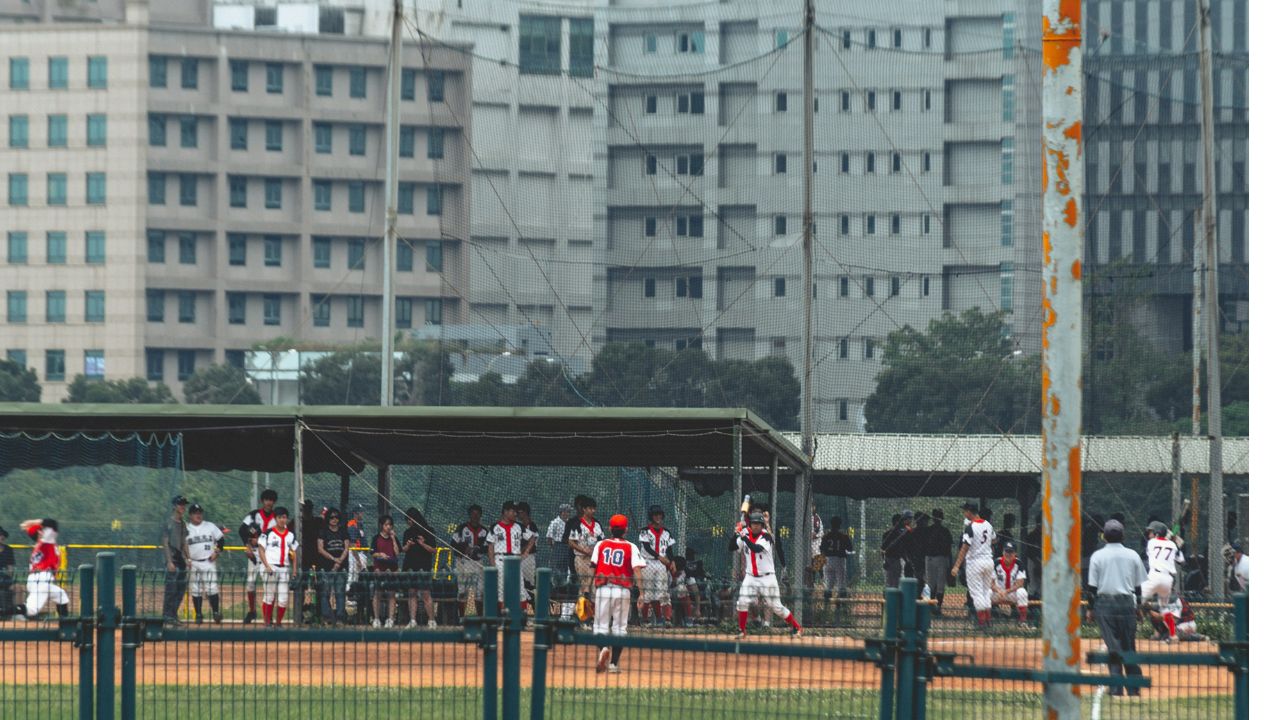
The Taiwan-based Chinese Professional Baseball League (CPBL) has sanctioned three TSG Hawks pitchers for involvement in online gambling, including poker. The professional baseball team from Kaohsiung discovered that Guo Yu-yan, Chen Guan-hao, and Wu Yu-cheng had all participated in online Texas Hold’em poker.
Guo received the heaviest penalty, a 10-game suspension and a fine of about $3,000, for being the initiator. Guo had reportedly introduced his two teammates to online poker games. Each of those two received a five-game suspension and a fine of half of what Guo paid.
The CPBL released a statement on the incident:
Engaging in online gambling is not a sanctioned activity for players. This incident has damaged the reputation of Taiwan’s professional baseball. Clubs must strengthen internal supervision and remind players of their professional responsibilities.
Both the CPBL and the TSG Hawks pointed fingers at Taiyu Sports Agency for encouraging Guo to play online poker. Taiyu denied any involvement but said they would help with any further investigation.
The suspension of the Taiwanese baseball players shows the strict attitude toward gambling of all forms in Taiwan and China at large. Simply playing online poker was enough for a fine, suspension, and a statement of shame from the league.
US Athletes Have Different Areas of Worry
In the U.S., an athlete playing online poker would not be cause for suspension. In many cases, it would not be out of the ordinary. High-profile athletes such as Russell Westbrook have been known to play in the occasional public poker game.
Generally, American athletes have free reign to gamble in legal settings, like at a casino.
Poker can get U.S. athletes in trouble if it involves an illegal game, though. Former NBA star Gilbert Arenas learned that in August when authorities arrested him for running an illegal high-stakes game from his California mansion.
Gambling that does not bring into question the integrity of the sport an athlete plays is generally not an issue.
Where things often get sticky for American athletes is when sports betting gets involved. Several athletes in different sports have run afoul of these policies in recent years.
Two Cleveland Guardians pitchers are currently on paid leave while being investigated for allegedly fixing the outcomes of micro-betting markets (e.g. will the first pitch of the inning be a strike?). Former NBA player Jontay Porter received a lifetime ban for violating the NBA’s gambling policy.
Even the mere mention of sports betting can trigger investigations and outcries. In August, University of Oklahoma star quarterback John Mateer was pinged for a Venmo pay request to a friend that was titled as a bet on another college football game. Mateer denied that he ever participated in sports betting but it was still a scandal that got nationwide attention.
After years of fearing the gambling boogeyman, leagues have embraced the massive new revenue stream of legalized betting. However, the recent scandals have turned it into a hot button topic. Many have openly wondered whether legal sports betting has been a net positive for the league and society as a whole.