Editor


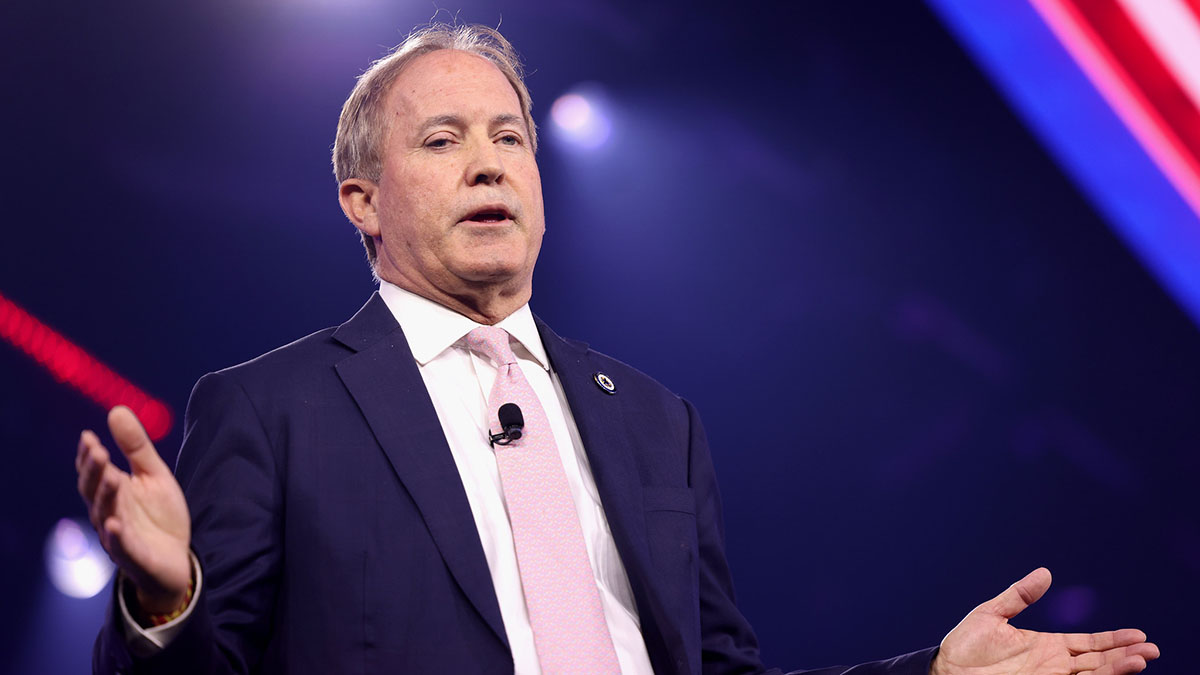
Texas Attorney General Ken Paxton’s office has concluded that any modicum of chance is enough to make an amusement machine illegal. He sent an official opinion on June 10 to the chairman of the Senate Committee on Administration, Bob Hall, regarding the matter. The viewpoint rejects a popular legal workaround used by operators of so-called game rooms across the state.
The opinion, numbered KP-0520, holds that it doesn’t matter how much skill a machine demands or how a player ultimately wins a prize. Once chance plays “any role” in determining if a player gets something of value, the device falls squarely within the prohibition set out in Chapter 47 of the Texas Penal Code. The presence of a skill component, the office wrote, “does nothing to alter this fact.”
The clarification comes amid a long-running fight between Texas prosecutors and the operators of cash-paying amusement machines, who have argued for years that adding a skill element converts an otherwise unlawful slot machine into a legal game. KP-0520 forecloses that argument for the specific class of machines that Hall described to the office.
Nitpicking over the definition of a “game of skill” has become increasingly important across the U.S., as gray market “skill games” proliferate both online and as physical devices. Different states have landed on wildly different interpretations of the phrase. For instance, Pennsylvania courts have decided that it refers only to games that are entirely based on chance, while others, like Texas, have found the opposite — that it includes anything that is not entirely based on skill.
The Machines in Question
The Texas opinion comes in response to a request from Sen. Bob Hall in March. He described a particular design that’s become popular in Texas and asked whether it qualifies as a gambling device.
According to his description, the machines run two linked modes. The player first feeds in currency or tokens to buy credits before playing a game that is very similar to a slot machine. Players have no control over the way that the machine arranges nine electronic symbols at random. Players win or lose credits purely based on this outcome.
The second mode is a twist that operators have leaned on. It’s called “Follow Me” and activates only after a player loses a spin, offering them a chance to win back what they just lost.
The screen displays numbers one through nine and the player must press them in an order that the machine dictates. The sequences get longer with each successful attempt. A player who correctly presses a string of 20 numbers in the right order will recover what they lost in the previous round, but a single mistake ends their attempt. Players who don’t wish to go through the ordeal after every spin can also choose to skip it.
Operators believe that offering the two modes together creates a genuine contest of skill due to the memory test and gives players a chance to recoup their losses. Critics say that the extreme difficulty of the skill test, combined with the option to skip it, leads many users to treat the devices as they would a slot machine.
Why the Office Said It’s Still Gambling
The Attorney General’s Office clarified that, despite the presence of some level of skill, it still deems these machines illegal. A 1993 decision from the First Court of Appeals in Houston, which the June 10 opinion cited, read the provisions the same way.
The Attorney General’s Office also pointed out the hypothetical scenario of a player who wins on their first spin and then stops. Since it is only a loss that triggers the skill round, that player would never encounter a skill-based decision. In that case, the winnings would be “realized purely pursuant to a game of chance.”
The opinion is very clear about its own limits. The office stressed that it cannot decide through the opinion process whether any particular machine on a specific floor qualifies as a gambling device. What it did do was explain how Chapter 47 applies to machines bearing the same features that Hall described. And that, in turn, puts the machines squarely in the path of ongoing crackdowns by state and local authorities. The targets of the raids have included a number of operations that were previously considered legal, such as licensed ‘amusement’ machines in Galveston and the Lodge poker club.
Attorney General opinions are just formal interpretations that guide state agencies, local prosecutors and courts, which remain free to reach their own conclusions. However, their opinions do carry persuasive weight, and a clear statement in Texas that the chance and skill design fails the test gives local officials a firmer footing to pursue cases against operators using that model.
Image Credit: Gage Skidmore via Flickr (license)