Managing Editor


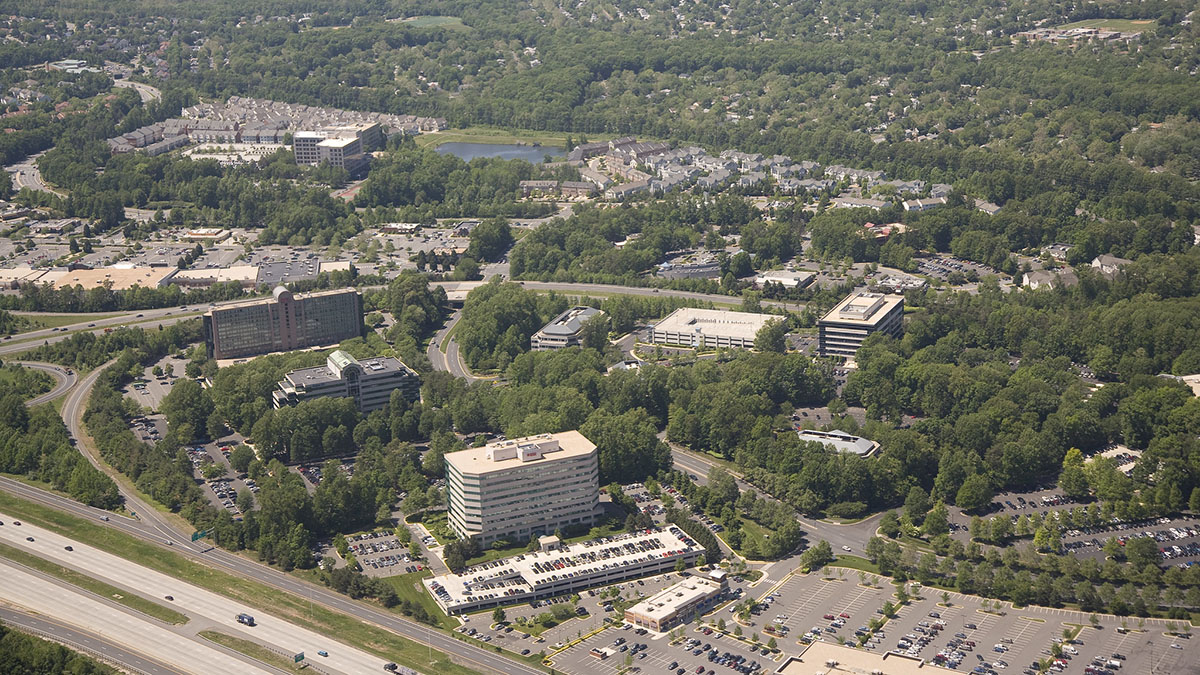
Once again, the lawmakers in the Virginia House and Senate seem to be in alignment on passing a gambling bill, but at odds on the specifics. The issue this time around is whether bids on a potential Fairfax County casino should come with additional financial commitments. It’s reminiscent of the failure of another gambling regulatory bill earlier this week. In that instance, the disagreement over whether commercial gaming should continue to be regulated by the state lottery, or whether an independent commission is needed.
Neither dispute is a hopeful sign for this year’s iGaming bill, which will also require the two chambers to come to terms.
The proposed law in question, SB756, amends Virginia’s 2020 retail casino legislation to include Fairfax County as a potential host municipality. That earlier law allowed for up to five casinos in designated parts of the state. However, each of these required the approval of local voters in a referendum, and only four passed.
After voters rejected the idea for a Richmond casino — twice — the search began for an alternative host community. Fairfax now seems like the most likely candidate, yet House Representatives amended the Senate bill to increase the burden on applicants in ways the Senate has firmly rejected.
The bill passed in the Senate on Feb 13 and spent two weeks in the House Committee on General Laws. When it emerged, it had new conditions attached and ultimately passed in the House on March 4 by a vote of 59-37. That same day, the new version was voted down unanimously in the Senate.
Should a Casino Shoulder the Costs for Elevated Risks?
The House amendments make two key changes. One is a requirement that the public should have access to the bids, minus redactions of sensitive business details.
The other is the proviso that any potential bidder would have to fund the construction of “at least one public safety capital facility,” such as a fire station, police station, or emergency medical services.
The rationale for that is included:
Any voluntary proffer accepted pursuant to this subsection shall be reasonably related to the projected impacts of a casino gaming establishment on public safety services in the eligible host locality and shall be proportional in nature and extent to such impacts.
In other words, House lawmakers are concerned that the addition of a casino to Fairfax would create additional costs for the county in the form of heightened rates of accidents and crime.
Potential applicants would likely object that there were no such requirements attached to bids on the first four locations, and that the taxes they would be paying would already defray those costs. Meanwhile, the House’s desire to ask more of a potential applicant may be related to criticisms faced by the existing casinos, which some say have not been providing as much of a boost to local economies as had been promised.
Image Credit: Trevor Wrayton, Virginia Dept. of Transportation (license)