Poker Writer


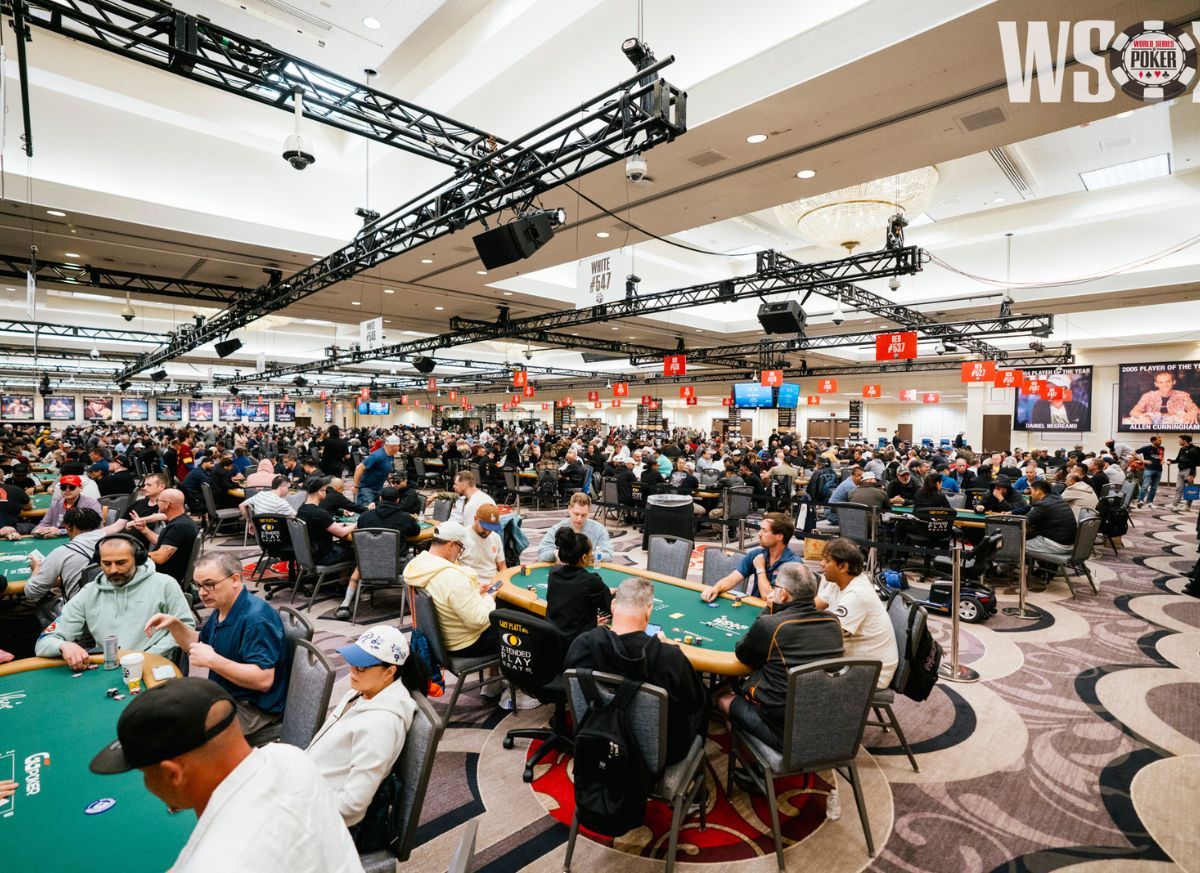
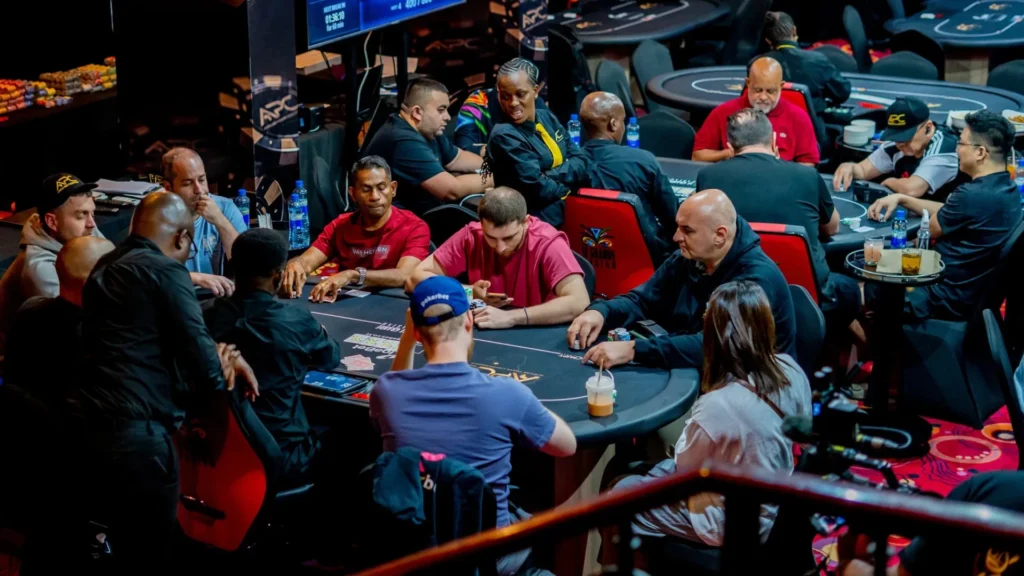
The first week of the World Series of Poker has been more grand in production than sheer numbers. There have been several takeaways from the first week, the most prominent being the drop in entry numbers across the board in the early events of the series.
There have been nine events so far that corresponded to tournaments in the 2025 WSOP. The no-limit hold’em ones have all had a drop in participation. Numbers courtesy of PokerStrategy:
| Event | 2025 Field | 2026 Field | Percentage Change |
|---|---|---|---|
| $500 No Limit Hold'em - Industry Employees No Limit Hold'em | 914 | 906 | -0.88% |
| $5,000 No Limit Hold'em - 8-Handed | 693 | 570 | -17.75% |
| $1,500 Limit Omaha 8 or Better 8-Handed | 910 | 828 | -9.01% |
| $5,000 Pot Limit Omaha 8-Handed | 757 | 716 | -5.42% |
| $1,500 Seven Card Stud | 377 | 359 | -4.77% |
| $1,500 Limit Badugi | 534 | 554 | +3.75% |
| $10,000 Limit Omaha Hi-Lo 8 or Better Championship 8-Handed | 217 | 204 | -5.99% |
| $600 No Limit Hold'em - Deepstack | 6090 | 4622 | -24.10% |
| $1,500 No Limit 2-7 Single Draw Lowball 7-Handed | 532 | 626 | +17.67% |
It is worth noting the increase in numbers for the $1,500 badugi and in the 2-7 lowball event. The WSOP is the only tournament series where those games can be played at such a high level, so players who like those variants of poker are bound to show up each year. This is especially true in badugi, as it is still a fairly new tournament. The WSOP began offering it in 2023.
Keep Reading
Concerning Plummet in Smaller Buy-in NLHE Events
The most concerning number out of the first nine events is the drop from 6,090 to 4,622 in the $600 deepstack. This event ran the weekend after Memorial Day. So, the holiday effect that some theorized as accounting for low numbers in the first few events no longer existed.
The $600 buy in is among the most affordable in the series for a shot at a bracelet. The 24% decrease in entry numbers suggests that casual players may not be traveling to Las Vegas for the 2026 WSOP.
Overall, the decline in budget-friendly tourism to Vegas may play a role. With the cost of living rising, the players who can only afford the lower buy-ins are those most likely to feel the pinch. They may no longer be able to fit a Vegas poker trip into their budgets.
The numbers in popular events like the Monster Stack and Millionaire Maker will provide even clearer barometers of the health of lower-stakes poker. If the numbers in those events also plummet, the 2026 WSOP seems assured to be the smallest in years.
Gambling Tax Playing a Role?
But the small buy-in events are not the only ones taking a hit.
The second largest drop in numbers, percentage-wise, was in the $5,000 no-limit hold’em event. It dropped from 693 to 570, a 17% decrease. This tournament is often filled with high-level pros. The $5,000 level is high enough to scare away some casual players, but it is also not at the $10,000 level of the main event, which attracts the dreamers looking for glory. Often, the $5,000 tournaments are far more pro-heavy than other events.
One of the likely factors is the punitive effect of the new gambling tax in the Big Beautiful Bill. This is the first WSOP with the tax change in effect, and as the math shows, the bill is not good for players looking to make money.
This tax most affects professional players who make a living from poker. Several pros have already said they are not able to play as much poker, including one of the all-time WSOP legends, Erik Seidel, who has been playing since the 1980s. He said the tax was “untenable” in April. Seidel has not yet played in the 2026 WSOP, but is currently on the way to play a likely reduced schedule.
Stronger Coverage Despite Lower Numbers
Juxtaposed with the smaller entry field numbers thus far is the increased coverage of the tournaments. The WSOP unveiled the brand-new mothership on Friday, showcasing the much larger streaming arena, financed by GGPoker.
Its streaming debut was on Friday night, and it continued through the weekend with the $25K Heads-Up Championship. The streaming was of very high quality, with no hiccups or issues. Free coverage on the WSOP YouTube is a big improvement from being behind a paywall on PokerGO, in terms of fan engagement standpoint. Viewership peaked at more than 20,000 during various points over the weekend and consistently remained above 10,000.
The new setup increased breadth, covering many different players at different tables. It evoked coverage of a golf major, where the focus flits from one player to the next, not necessarily in the same group playing the same hole.
The improvements in coverage are making it a grander spectacle, culminating in the WSOP main event returning to ESPN in August. This could indicate that poker is reestablishing itself as a spectator sport, as it was in the 2000s. The question is, will the increased spotlight on poker eventually lead to a rise in player numbers?
Photo credit: WSOP / Monique Marestein