Deputy Editor


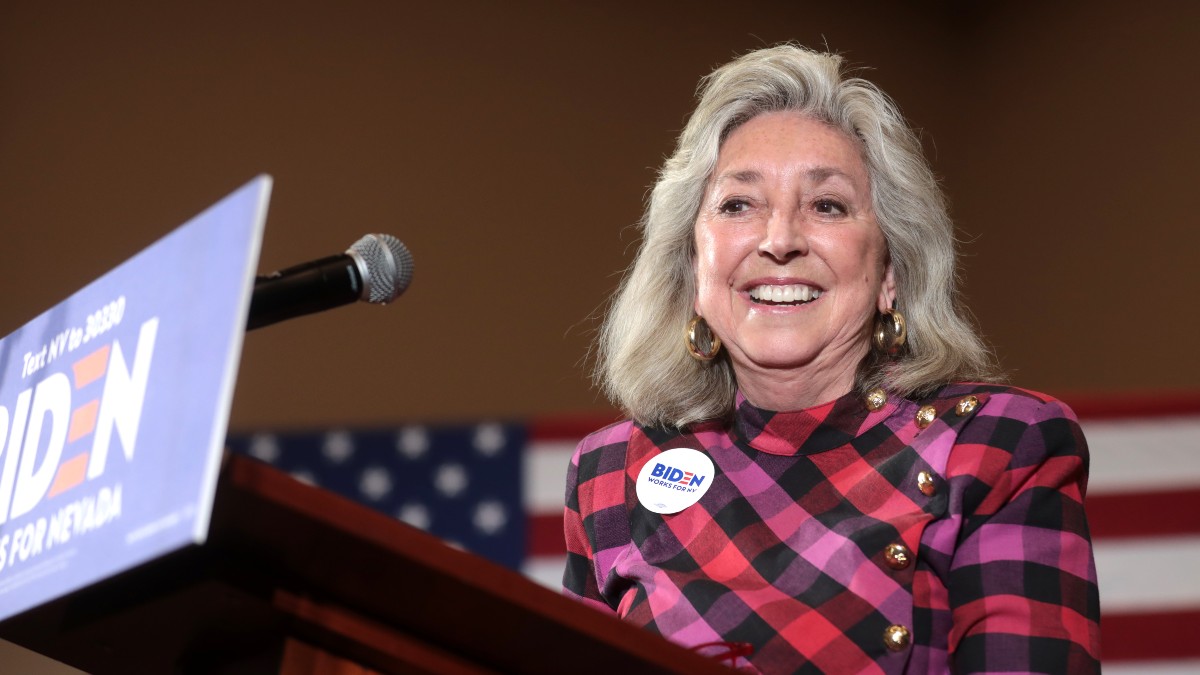
Nevada Rep. Dina Titus proposed adding an amendment to an upcoming bill that would repeal a recent change to gambling taxes. The change, highly unpopular among poker players, limits deductions to 90% of gambling losses.
The Trump administration’s One Big Beautiful Bill Act enacted the change, which takes effect in 2026. Titus introduced the FAIR BET Act to reverse the gambling tax portion of the bill.
“I strongly encourage the Republicans to make this amendment in order when it goes before the House Rules Committee upon our return to Congress next month,” she wrote.
Industry observers, at least those willing to put their money at risk in prediction markets, responded favorably to the news.
A Kalshi market that pegged the chances of a 2025 repeal at 27% a few days ago shot up as high as 54%. It has since settled back at 41% at the time of writing. Prediction market odds movements can provide powerful signals at times. Recently, the odds of an engagement between celebrity couple Taylor Swift and Travis Kelce similarly skyrocketed on Polymarket in the day before the duo made an official announcement.
Keep Reading
Using ‘Must-Pass’ Legislation To Get Repeal Through
Rep. Titus proposed the amendment as an addition to the 2026 National Defense Authorization Act (NDAA). Industry sources called the NDAA “must-pass” legislation, which provides perhaps the biggest reason for optimism that Titus can get the tax repeal through.
Poker players are all too familiar with amendments to must-pass legislation upsetting their ecosystems. The Unlawful Internet Gambling Enforcement Act (2006) was attached to an unrelated port security bill. UIGEA effectively ended legal online poker in the U.S., though some operators stuck around until 2011’s Black Friday.
Gambling tax professional Russ Fox previously told PokerScout that any repeal would likely occur via attaching it to must-pass legislation.
He wasn’t especially optimistic about a 2025 repeal. However, he noted many such bills would appear in the upcoming years.
Thus, even if Titus’ attempt to attach the FAIR BET Act to the NDAA fails, hopeful poker players can expect similar efforts in the future. However, the changes come into effect on January 1, 2026, so a repeal this year would be necessary if professional gamblers are to avoid facing at least one tax year under the new policy.
Fox isn’t the only person on the record with optimism that Titus or someone pushing a similar repeal will eventually succeed. Daniel Negreanu expressed a such a belief in discussion with fans on Reddit. He even hinted that President Donald Trump isn’t a fan of the change.
Image credit: Gage Skidmore/Flickr (license)