Deputy Editor


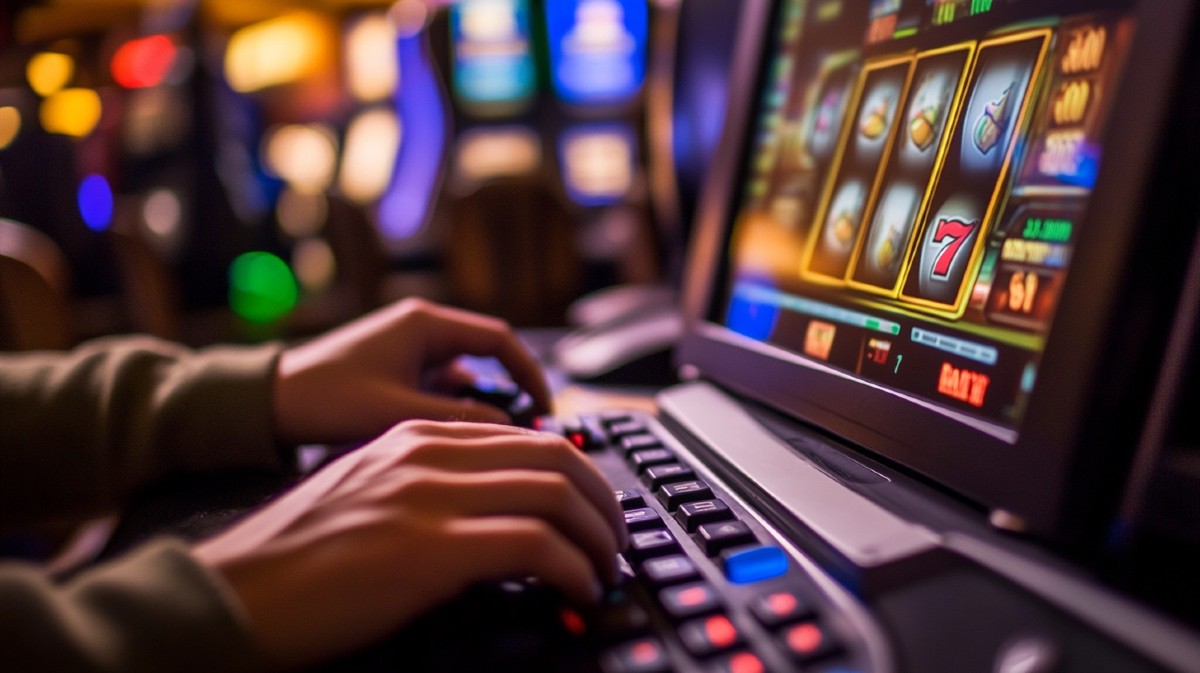
One of the pillars in the foundation of online sweepstakes casinos in the U.S. may be crumbling, as third-party game providers have begun severing their relationships with the operators. Next.io obtained information from Pragmatic Play that the slots provider is cutting ties with the sweepstakes industry as a whole after being named a defendant in a high-profile lawsuit. It had already pulled its games from certain operators in certain markets based on regulatory considerations.
“Pragmatic Play has chosen to discontinue licensing its games to sweepstake operators in U.S. states where restrictions were not already in place, in light of regulatory developments and evolving legislation,” the company said in a statement to Next.
If other game developers follow suit, sweepstakes casinos won’t have access to the most recognizable games. Although there will always be some slots developers willing to serve unregulated markets, it looks as if the risk-reward calculation is swinging against the sweeps industry in the eyes of the biggest brands.
That may be the hoped-for effect of the aforementioned lawsuit. The suit broke new ground by naming not only an operator (Stake.us), but the game providers and a streaming platform (Kick) where the allegedly illegal online casinos are marketed.
Keep Reading
Pragmatic Joins Other Game Developers In Swearing Off Sweeps
Pragmatic Play isn’t the first online game provider to stop supplying its product to sweepstakes operators. Some, like Light & Wonder and Play’n GO, never did business in the sweeps space to begin with.
Earlier this year, Light & Wonder CEO Matt Wilson said the company won’t work with sweepstakes operators until they’re licensed and taxed. He noted that he didn’t expect that to happen anytime soon.
In fact, the regulatory pattern has moved in the opposite direction. California may soon ban sweepstakes operators altogether. New Jersey passed a ban in August. Other states have either passed bans or sent cease-and-desist letters.
Play’n GO’s Head of Government affairs spelled out the company’s stance clearly in May.
“Sweepstakes casinos threaten the regulated market model that many of us in the industry have worked so hard to achieve, which protects players first and foremost, and delivers much-needed revenue to jurisdictions,” Shawn Fluharty said. “I can say with confidence that regulators have long memories – anyone doing business with sweepstakes casinos today will find it very difficult to do business in a future regulated market.”
Fluharty speaks from experience. As a West Virginia House of Delegates member, he helped push legal sports betting into law. He’s also the President of the National Council of Legislators for Gaming States and a vocal opponent of sweeps in that role.
Are Empty Shelves the Future Of US Sweepstakes Casinos?
Gaming industry lawyer Daniel Wallach suggested the sweepstakes gaming ecosystem could fall apart in the wake of the lawsuit naming Pragmatic Play and other game providers. If they pull their games from sweepstakes platforms in droves, the thinking goes, that could result in a dearth of games for the customers.
The situation would be akin to a drinking establishment that loses all of its contracts with major breweries and distilleries. If bar patrons can’t find their preferred brands, they may take their business elsewhere.
As a result of the move, Pragmatic Play no longer has a U.S. presence. It does its business primarily in Europe and other worldwide markets. However, by playing it safe with the sweeps casinos, it may be paving its path to applying for a license in regulated states.
Pragmatic Play has a catalog of hundreds of online slots, including the popular Sugar Rush, Gates of Olympus, and Big Bass Bonanza franchises.
If more major slot providers follow in the footsteps of Pragmatic Play, the game inventories at sweepstakes casinos will continue to shrink and perhaps become more obscure. That reduces their appeal, putting the entire operations in further danger than they already face from their state-level legal troubles.