Managing Editor


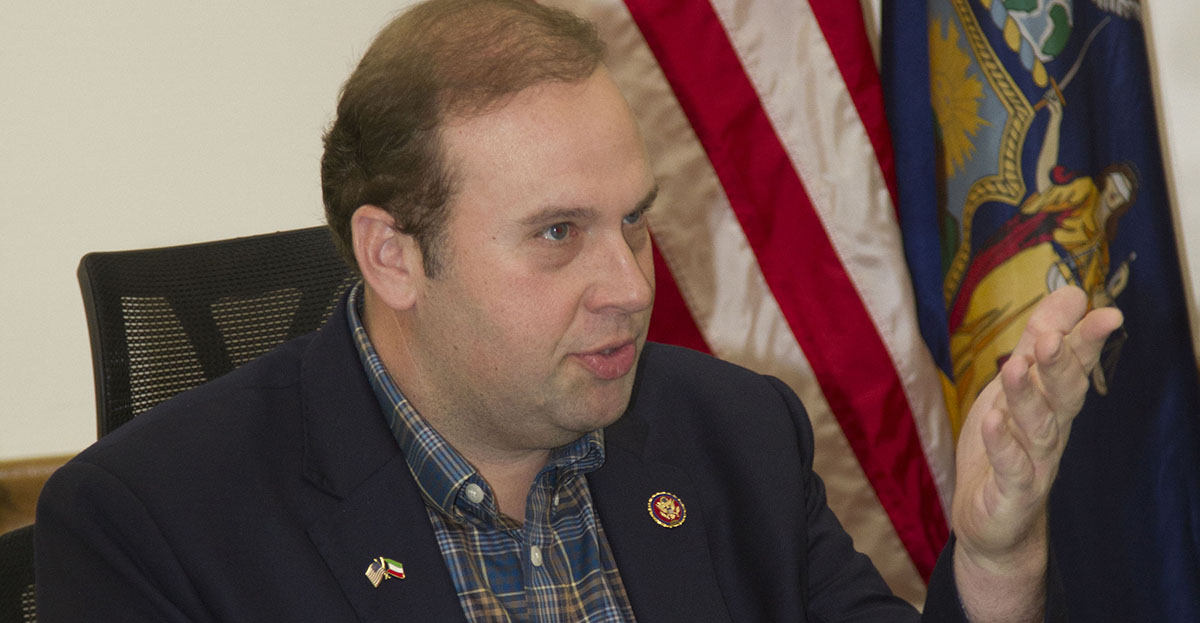
Optimism is rising that an unpopular change to taxes on gambling winnings will be reversed before it takes effect, following comments by House Ways & Means Committee Chairman Jason Smith. Republicans held a field hearing in Las Vegas last week to tout the advantages of the recently passed One Big Beautiful Bill Act (OBBBA). They faced pushback on the gambling tax portion of that omnibus bill, but Smith said the House is committed to seeing those provisions repealed.
Predictions markets Kalshi and Polymarket have been taking bets on that possibility. Their lines both jumped by about 15 percentage points in the wake of the news.
Currently, gamblers can offset winnings and losses, and pay income tax only on net winnings. The change would see deductions capped at just 90% of gross losses. Break-even players would suddenly find themselves owing taxes, while professional gamblers would see a big hike.
The changes will come into effect in 2026. However, pushback has been coming from multiple sides. Many lawmakers who voted for the bill now say they didn’t know about that provision and want to reverse it.
According to the Nevada Independent, Rep. Smith met with MGM Resorts CEO Bill Hornbuckle and two other prominent casino executives the night before the field hearing. Smith said that the trio were positive about most of the bill’s tax changes, but raised issues with the gambling portion.
In an interview with Punchbowl News, Smith called the gambling deduction tax a “bad decision.” He also said that it’s “entirely possible” for lawmakers to repeat that section before it takes effect.
Prediction markets respond
Gamblers began taking note of the clause in question shortly before the OBBBA passed on July 4. However, it took another week for the mainstream media to pick up the story.
Polymarket crowdsources contract proposals and resolutions, which generally makes it faster to add new markets than Kalshi. It offered contracts—bets, effectively—on whether the clause would be repealed, starting July 9. Kalshi followed a little over a week later, on July 17. Trading volume for both has been quite low, so the markets are still prone to volatility.
At first, Polymarket users were skeptical that the lawmakers would reverse the change, rating it a 22% chance. However, Kalshi’s market opened at 65%, presenting an arbitrage opportunity. The two converged at around 60% within a couple of days.
Just before the meeting in Las Vegas, skepticism appeared to be setting in. Both markets saw a drop to around 50% early on July 25.
However, Smith’s assurances seemed to assuage those fears, pushing both markets to all-time highs. Kalshi peaked at 69% and has come back down to 67%, while Polymarket rose to 64% and has stayed there.
The three-point spread can be explained by a technical difference in their rules. Polymarket’s contracts will only resolve to Yes if lawmakers repeal the change in its entirety. Conversely, any adjustment to the gambling portion of the bill will suffice for Yes shares on Kalshi to pay out.