Editor


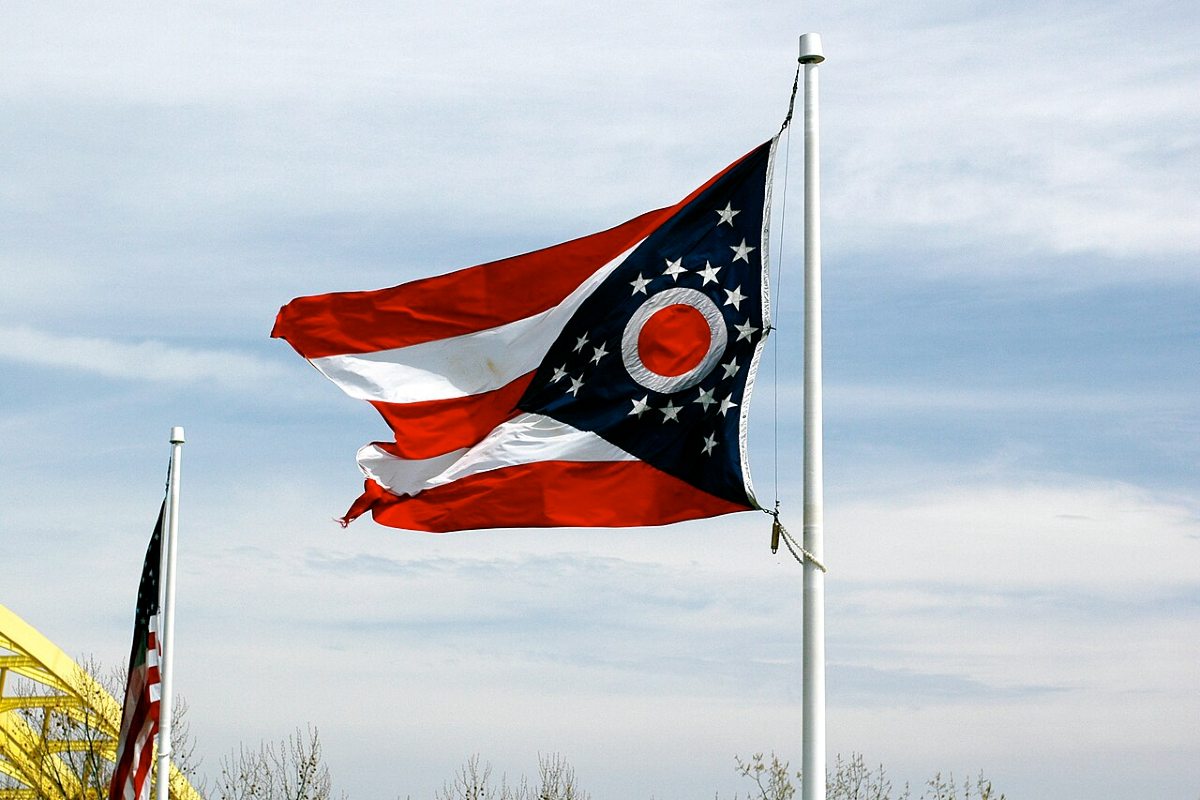
Two new bills in Ohio would completely ban online sports betting, cap bet sizes at $100, and stop bets on college sports. A group of Republican lawmakers introduced these bills on Wednesday and branded the legislation as the “Save Ohio Sports Act.” This move is the latest in a legislature that has become increasingly interested in repealing the gambling expansion it approved just three years ago.
State Reps. Riordan McClain, Gary Click, Johnathan Newman, and Kevin Ritter introduced the bills. They believe that the social and moral costs of online betting outweigh the tax money it generates.
During a press conference on Wednesday in the Statehouse in Columbus, Rep. Click said that the goal is to “put some common-sense protections in place to protect Ohio citizens.”
For poker players and fans of online casino games, the mere fact that legislators are showing this sort of interest in contracting the market is a bad sign. Such an environment is highly unlikely to foster legal online poker or casino. Ohio currently has neither.
Keep Reading
Specifics of the Ohio Sports Betting Bills
The first bill would eliminate in-game, parlay, and prop bets, as well as completely stop all wagering on college sports.
The second would end credit card use for gambling, introduce a $100-per-wager cap, limit bettors to eight bets within 24 hours, ban welcome bonuses, and stop betting ads during live sports broadcasts. Banning all forms of online sports betting would be the biggest sea change. Lawmakers clarified that this wouldn’t extend to prediction markets like Polymarket and Kalshi.
The bills face significant headwinds, as the online sports betting market in Ohio would lose about $200 million in annual tax revenue from the budget, which mainly funds education programs and gambling addiction services. Gov. Mike DeWine, who has gone on record opposing gambling expansions, reportedly disagrees with aspects of the new bills.
However, a series of sports integrity scandals and data showing gambling addiction on the rise are driving bipartisan lawmakers to take a less bullish stance on gambling expansion than they did when they legalized sports betting in January 2023.
Major MLB Scandal Poisoned Ohio Gambling Well
A scandal that captured headlines in Ohio involved two Cleveland Guardians pitchers accused of a pitch-rigging scheme. Luis Ortiz and Emmanuel Clase both pleaded not guilty to accepting bribes and deliberately manipulating pitches to benefit bettors. Their cases are ongoing.
This scandal, which emerged in July, led MLB to agree with sportsbooks to cap wagers on individual pitches at $200 and ban certain types of parlay bets. Ohio’s Casino Control Commission had already removed prop bets on college sports in 2024 after threats targeted University of Dayton college basketball players, a move largely driven by Gov. DeWine.
On Wednesday, Rep. McClain said that he wants to watch sports and feel confident that the “outcomes are determined on the field of play, not by the gambling markets.”
Growing Concern About Gambling in Ohio
Lawmakers introduced the two bills on Wednesday as the latest sign of a broader shift in ideology across Ohio’s legislature. They once embraced sports betting as a lucrative tax windfall, but many appear to be regretting that.
DeWine himself said he regrets signing the bill into law in the first place. He recently tried and failed to push the tax rate up to 40%. It currently sits at 20% after starting at 10%. That’s still one of the more reasonable rates in the nation.
On the opposite end of the spectrum, some lawmakers in Ohio are pushing to legalize iGaming. Supporters argue that online casinos and poker sites could generate more than $600 million in new tax revenue each year and point out that almost every neighboring state already has iGaming. However, concerns about addiction and the potential cannibalization of Ohio’s land-based gambling facilities have stalled these efforts.
If part of the legislature is trying to do a U-turn on existing online gambling laws, the chances of iGaming expansion getting any traction appear to be off the table for the foreseeable future.
Image credit: Jeff Kubina/Wikimedia Commons (license)