Poker Writer


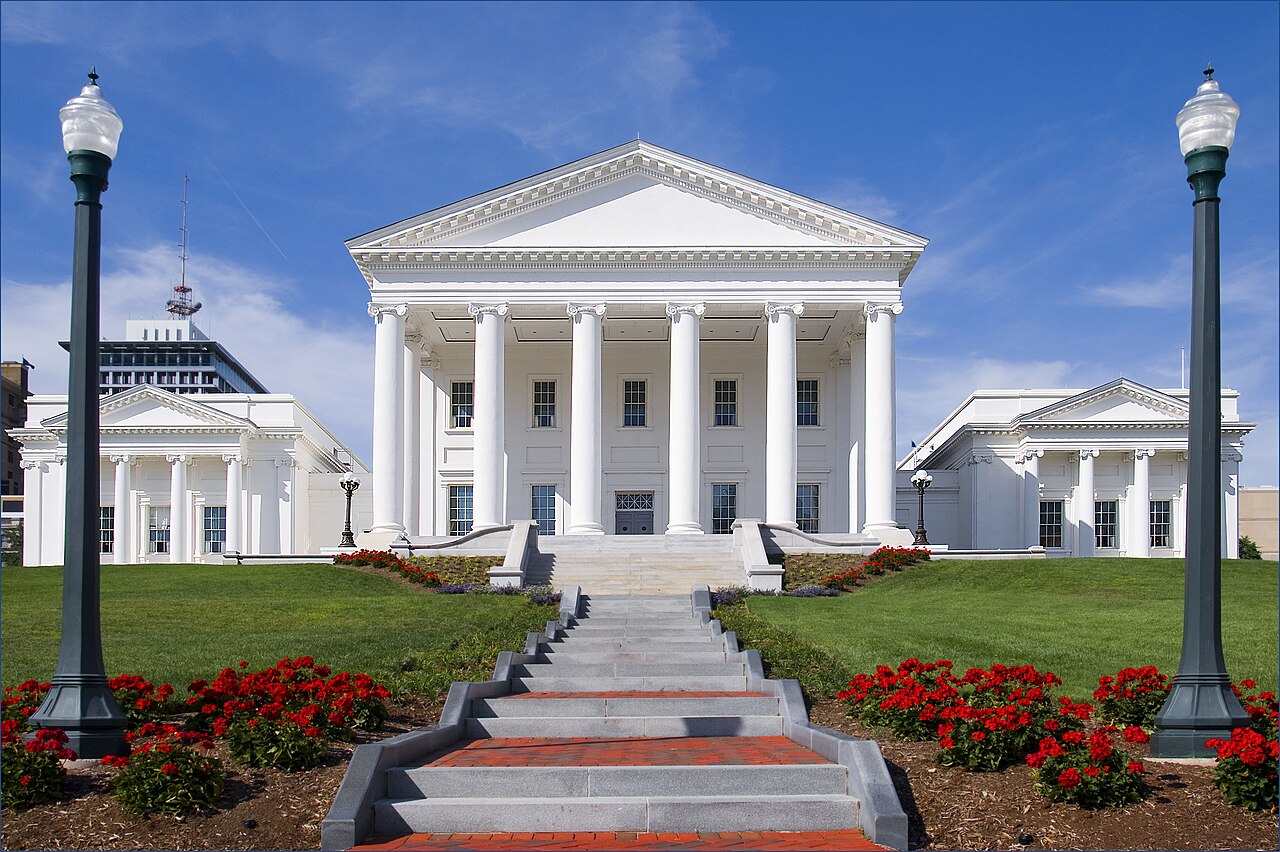
A bill to authorize iGaming in Virginia was introduced ahead of the start of the state’s legislative session. It includes language legalizing online poker.
Virginia State Rep. Marcus Simon introduced the bill to prepare it for the new legislative year.
The bill seeks to authorize internet gaming in the Commonwealth to be regulated by the Virginia Lottery Board. The official summary of the bill states what is required of a casino operator:
The bill requires a casino gaming operator that intends to conduct internet gaming to submit a separate notice of intent to the Director of the Virginia Lottery for each internet gaming platform that it intends to offer, up to three, accompanied by a $2 million platform fee that is to be deposited into the Internet Gaming Platform Fee Holding Fund for the purpose of funding start-up costs and other costs associated with the implementation and creation of a gaming commission.
Any casino gaming operator that submits an application must also pay an initial licensing fee of $500,000.
Virginia’s bill would tax operators at a 15% clip.
It also includes language banning sweepstakes operators. Operators flaunting this law would be subject to fines up to $100,000 for the first offense and $250,000 thereafter.
Virginia legalized sports betting in 2020, with the market opening in early 2021. Virginia sportsbooks have generated approximately $2.5 billion in revenue through August 2025, according to PokerScout’s tracking.
The proliferation of iGaming has lagged significantly behind the adoption of online sports betting. Seven states currently allow legal online casinos. Connecticut, Delaware, Michigan, New Jersey, Pennsylvania, Rhode Island, and West Virginia all have iGaming. Industry observers have been widely bearish about the possibility of expanded iGaming in 2026.
Online Poker Language Included in Virginia Bill
The Virginia iGaming bill specifically mentions poker as a legal online casino game, along with baccarat, slots, blackjack, and many more.
It also has language seemingly designed to facilitate a quick entry into the Multi-State Internet Gaming Agreement (MSIGA).
The Board may enter into agreements with other jurisdictions to facilitate, administer, and regulate multijurisdictional internet gaming by internet gaming operators to the extent that entering into the agreement is consistent with state and federal laws and if the internet gaming conducted under such agreement is conducted only in the United States.
A quick jump into the MSIGA would allow online poker in Virginia to get off and running immediately, as liquidity would be available right away. Some states, like Pennsylvania, took years to get that situation sorted out. That hurts both revenue to the state and operators, as all as worsening the player experience.
Image credit: Ron Cogswell/Wikimedia Commons (license)