Contributor


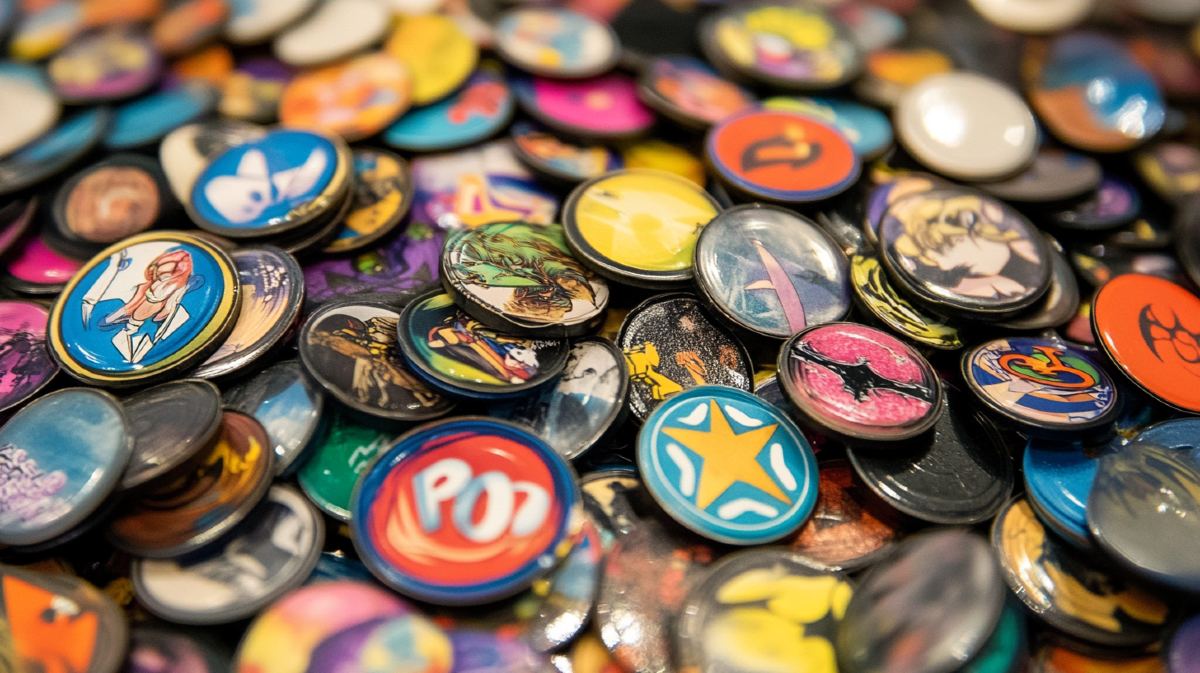
POGs, the ‘90s playground fad, are attempting to make a comeback with a product that blends the original cardboard collectibles with the more recent collector craze around NFTs.
Public attention to NFTs (non-fungible tokens) has waned since the hype around digital punks and apes reached its peak in 2021. Yet, tucked away in Discord servers and niche communities, entire ecosystems continue to hum along. POG Digital is the latest entrant to this curious world.
Earlier this week, Snuffies, a family-owned collectibles shop in Whitefish, Montana, announced it had become the “first authorized POG retailer in more than 20 years.” The press release described Snuffies as “the epicenter of POG’s global retail revival,” marking a curious milestone for a brand many thought was long gone.
But this isn’t just a nostalgia play. The new POG ecosystem is intertwined with blockchain technology, NFTs, and cryptocurrency. It’s something of a hybrid between trading cards and loot boxes.
All of these products are effectively gambling, tempting the user to crack open a pack in the hopes of finding something worth more than they paid.
You never know what you’re gonna get, as Forrest Gump advised. Each physical POG in these new “Elite Game Packs” comes paired with a digital twin on the blockchain, blending old-school collecting with new-school crypto experimentation. It also ties in with POG Coin, a self-described “meme coin,” redeemable for yet more collectibles.
How It Works
POG Digital is at the heart of this revival, and it hinges on a hybrid collectible model. Buy a pack of POGs (still the same circular discs made popular in the 90s), and you’ll also get a digital version on the blockchain. Scanning a cap’s QR code will unlock its NFT counterpart on the Solana network.
What collectors do with their online collectibles is up to them. Some may display them online while others may trade them or “burn” them for POG Coin, an in-house cryptocurrency. You can earn it through purchases or pack openings and redeem it for other collectibles like Pokémon booster boxes or toys.
It all carries echoes of the modern trading card ecosystem, in which the gambling element of opening packs leads to secondary market sales and a passionate subculture surrounding the collectible.
As if the base idea isn’t odd enough, the brand’s Discord community dives even deeper into the gambling. Members wager digital tokens on Twitch marble races for prizes. There’s scuttlebutt about potential “play for keeps” matches with losers automatically forfeiting their digital assets to opponents.
Add on the singular physical redemption space (Snuffies in Montana) and you’ve got a weird amalgamation of gambling and gambling-adjacent elements rolled into one confusing environment.
The Montana Hub and The Nostalgia Play
This curious revival isn’t confined to niche online spaces like so many crypto-related fads. Snuffies is the physical hub for this hobby and gambling arena. The shop is equipped with Solana Pay, allowing customers to earn and spend POG Coin in-store. Certain digital prizes are redeemable for physical goods, too.
POG Digital seems eager to test the concept with Snuffies and, if successful, partner with other stores. It’s a new approach, to be sure. POG Digital wants to connect Web3 with Main Street in an unprecedented way.
There’s also a huge nostalgia component to this endeavor. POGs were popular in the 90s, with schoolyard matches seeing kids “slam” their collectibles for keeps. The risk-reward mechanic was rarely called “gambling” back then, but it scratched a similar itch.
POG Digital’s model taps into the nostalgia of 90s POG fans and the crypto-readiness of Web3 enthusiasts. By tying POGs into a digital crypto environment, the strategy tries to soften the speculative edges of cryptocurrency and its relatives.
Let’s See How This Plays Out
Neither of these concepts is a reinvention. POGs remain largely the same in their current form, and the hallmarks of cryptocurrency schemes resound throughout POG Digital’s outing.
At its highest level, this is a test of whether playful chance-related hobbies, physical collectibles, and blockchain tech can coexist in a single space. The reverence for a long-dormant hobby may be well-intentioned, but it’s complicated by factors the layperson may not understand — or worse, may be legitimately wary of.
Will it be enough to win over skeptics and establish a new collectibles subculture? If you ask this author, probably not.