Deputy Editor


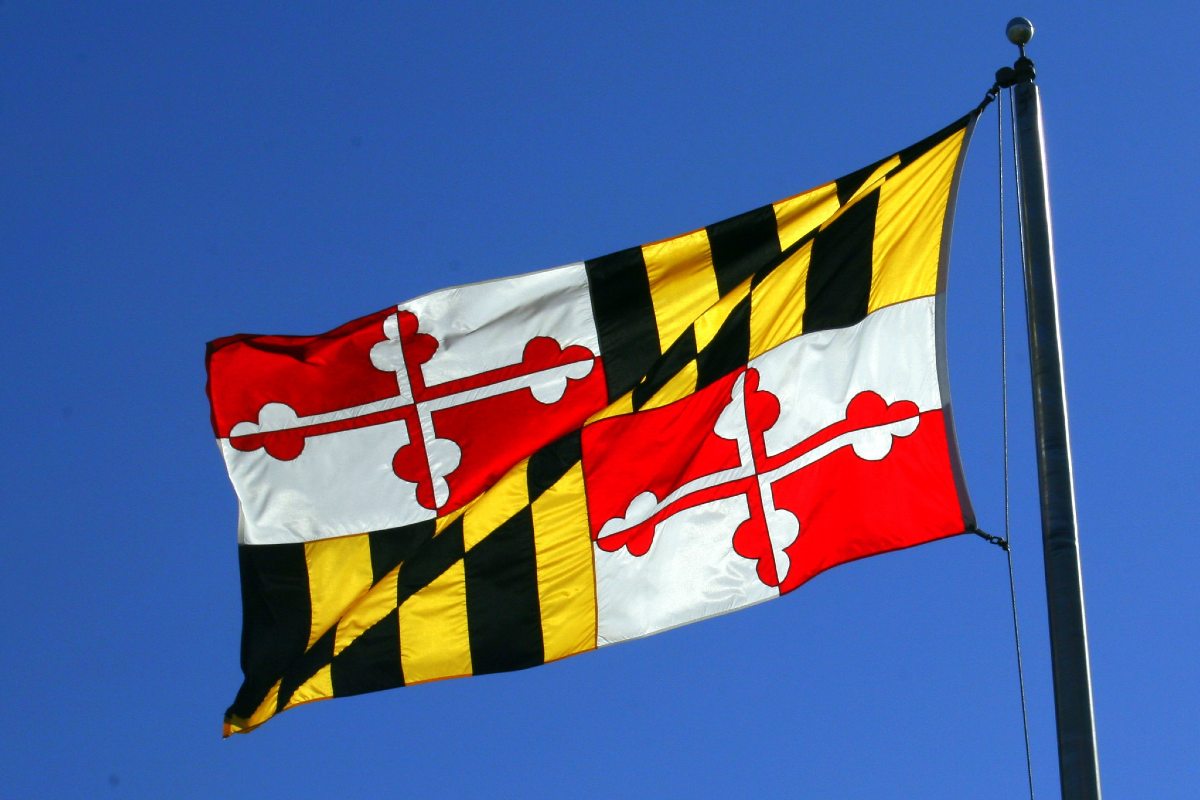
A bill to legalize online poker in Maryland did not receive a planned hearing on Wednesday. Instead, it was withdrawn by sponsor State Sen. Ron Watson.
That means the hopes for legal online poker in Maryland rest entirely on the fate of a bill proposing wider gambling expansion.
Keep Reading
Maryland Favoring Omnibus Gambling Legislation is Unsurprising
Watson had proposed SB 884, the Internet Poker Authorization and Regulation Act of 2026. It would have designated poker as a skill-based game and established a market with a $1 million licensing fee and a 30% tax rate.
However, as PokerScout wrote at the time, omnibus legislation generally takes priority because online casino produces far more revenue than online poker. The only real impetus behind a poker-only bill is that it might be easier to pass. But the juice often isn’t worth the squeeze.
The omnibus legislation, SB 885, instead had an extensive debate period.
Watson is also sponsoring that piece of legislation. It provides for legal online casino, online bingo, and online poker. Concerning the mechanics of online poker, it does contain language allowing Maryland to enter the Multi-State Internet Gaming Agreement (MSIGA).
The Senate Budget and Taxation Committee heard the usual arguments in favor and against online gambling.
Watson said it would generate $250 million in annual tax revenue. Entities that would benefit from such taxation spoke out in favor of the bill, as did operators who would presumably take high-value positions in the market.
On the other hand, local casinos that don’t figure to have a strong presence, such as a local Churchill Downs property, opposed the bill. Local unions that rely on in-person casino revenue also made statements in opposition.
Virginia: A Looming Concern for Maryland’s Gambling Budget
Losing in-person and, potentially, online gambling business to Virginia is another reason to push forward the Maryland legislation.
Virginia is considering a bill that would allow for another casino to be built near the Maryland border. MGM National Harbor is a big moneymaker for the state, Watson pointed out, and it could lose some of its Virginia-based business if Virginia does ultimately decide to allow construction of the new property.
As for the online threat, it appears to be pushed to 2027. While Virginia made real progress on legal iGaming in this session, its two chambers failed to come to a consensus on key details.
Whichever of the two states gets iGaming across the finish line first will surely gain an early economic advantage, siphoning off some business from its neighbor.
Clock Toward March 23 Deadline is Ticking
The committee hearing in Maryland ended without a vote. There isn’t much time left to get SB 885 moving if it’s going to become a legislative reality this year. The deadline for Maryland bills to move from one chamber to the other is March 23.
Those that don’t pass their originating chamber (in this case, the Senate) by that date are effectively dead for the current session.
Since SB 885 hasn’t even advanced from a committee, things are looking fairly grim. However, there’s still a chance for online poker this year, if Watson can propel the bill through the committee soon.
Image credit: Thad Zajdowicz/Flickr (license)