Deputy Editor


Virginia iGaming bills are building some early momentum for 2026, passing the votes necessary to progress from preliminary committees in each legislative chamber. Online poker would become legal if the bills become law. There is still a long road to get there, but we have seen bills in other states fail to pass even this first hurdle, so it is a positive sign to see movement this early in the year.
Proponents aim to make Virginia the ninth state to add legal iGaming. Maine passed iGaming in January to become the eighth, alongside Connecticut, Rhode Island, New Jersey, Delaware, Pennsylvania, West Virginia, and Michigan.
Of those states, only the latter five include online poker. Nevada, which has online poker but not online casinos, is the sixth. So, Virginia could become the seventh state to do so, depending on whether operators launch in Maine, Connecticut, and Rhode Island in the meantime.
Based on other states’ experience, Virginia’s iGaming effort will face strong opposition from retail casino unions. Some of the operators, like Hard Rock and Caesars, may support the plan, but Cordish Companies, which runs Live! Virginia, will be an opponent.
One important development as the bills passed through the first committee was an amendment aimed at proactively addressing retail casino concerns. The bills, in their new form, call for measures such as mandatory live dealer studios and the earmarking of some iGaming tax money for retail sector subsidies, in hopes of easing cannibalization fears.
A separate poker-focused bill, meanwhile, aims to legalize charity events. It has broader support in the early going, compared to iGaming.
Keep Reading
Virginia Online Gaming Bill Passes First Test in Each Chamber
The Virginia House of Delegates voted 5-4 to advance the bill out of the General Laws subcommittee. That means it heads to the House Appropriations Committee, and passage there could lead to a hearing in front of the entire House.
Bill sponsor, Del. Marcus Simon, said Virginians are already wagering $12 billion on illegal online casinos, and the state could benefit hugely from legalization and taxation.
The Virginia State Senate, meanwhile, is looking at SB 118, a companion bill. It would tether up to three iGaming skins to each retail casino for a $2 million platform fee, which would go towards the creation of a Virginia gaming commission. Taxes would be set at 15% with a $500,000 licensing fee. Five percent of collected taxes would be allocated toward responsible gaming.
The Senate General Laws and Technology Committee passed SB 118, 9-6, and sent it to Finance and Appropriations. As with the House bill, if it survives its second committee hearing, it can go before the full Senate.
Virginia iGaming Bill Attempts to Soothe Retail Cannibalization Concerns
As in many other states, retail casinos argued both for and against Virginia iGaming, with their stances largely dependent on their own expected involvement and profit potential.
Virginia legislators are attempting to ease concerns about cannibalization and loss of retail jobs with certain provisions in the bills.
For example, the bills require any live dealer games to be streamed from in-state studios. Simon claimed these would generate hundreds of jobs. Currently, larger states like New Jersey, Pennsylvania, and Michigan require in-state studios, while some smaller ones, like Delaware and West Virginia, allow streaming from out-of-state. The House version of the bill also requires that these live dealer studios and iGaming licensees enter into employment agreements with the casino workers’ unions.
Additionally, 6% of total tax proceeds until 2030 would go into a “Hold Harmless” fund, for distribution to retail operators experiencing a loss of business due to the introduction of online competition.
Casino workers’ unions have produced staunch opposition to iGaming expansion in many states. If Virginia iGaming proponents can the the unions on board, that would go a long way toward ensuring the success of the legislation.
Separate Virginia Legislation Would Allow Charitable Poker
Meanwhile, Virginia SB 765 seeks to legalize charitable poker. State Sen. Michael Jones is backing the legislation.
The bill requires any qualified organization that conducts any poker event to use at least 20 percent of its poker adjusted gross receipts, defined in the bill, from the conduct of Texas Hold’em poker tournaments for (a) those lawful religious, charitable, community, or educational purposes for which the organization is specifically chartered or organized or (b) those expenses related to the acquisition, construction, maintenance, or repair of any interest in real property involved in the operation of the organization and used for lawful religious, charitable, community, or educational purposes.
SB 765 easily passed through committee and two full Senate votes. The first one was unanimous, 38-0. After a committee amendment, some Republican opposition emerged in a second vote, but it still passed via a 31-8 vote.
Some of the amendments changed the wording in the bill to reflect the possibility of non-tournament poker games. In theory, that could allow for charitable cash games, as the wording in these passages has been changed from “tournament” to “event.”
Players 21 and over could participate in the charitable poker events if legalized.
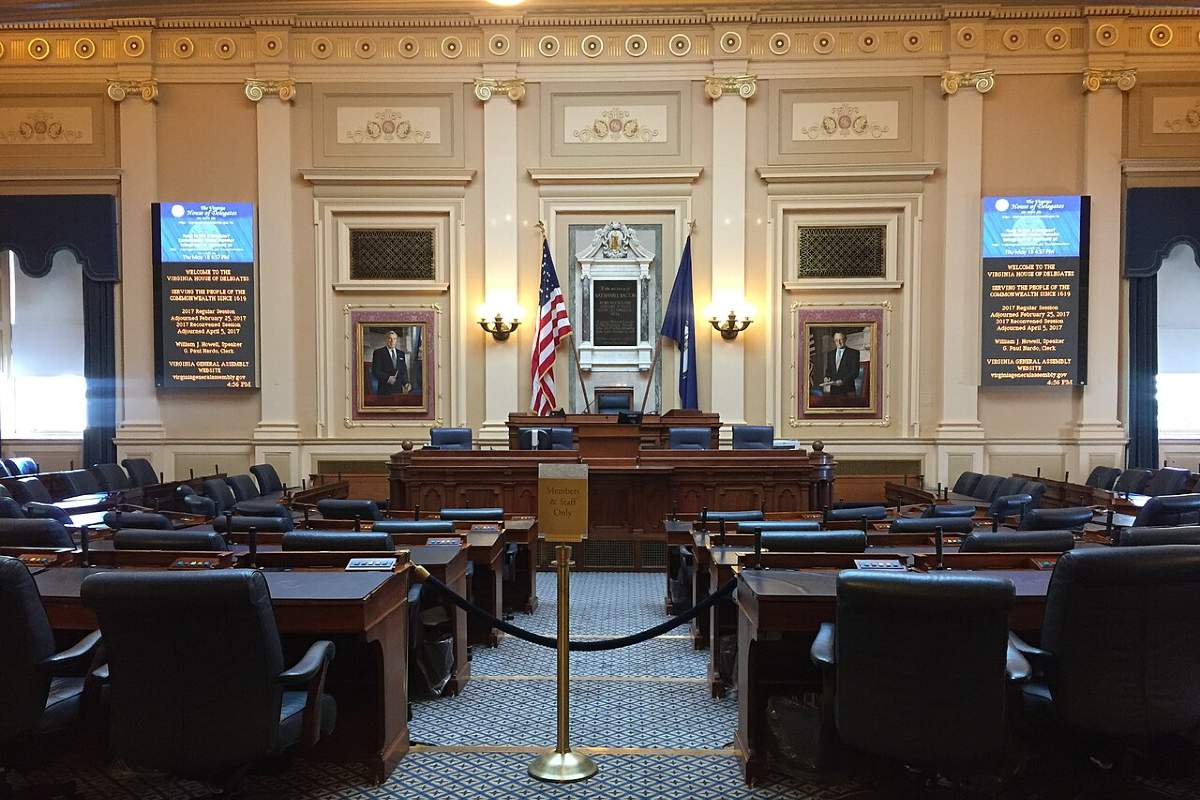
Image credit: Antony-22/Wikimedia Commons (license)