Managing Editor


A gambler is suing the Aria after he says he blacked out while playing high-stakes blackjack and woke up handcuffed in the resort’s security holding room. Michael Thomson, who was visiting Las Vegas from Puerto Rico, says he suspects he was drugged. A simliar case was filed by a different gambler against Aria’s owner, MGM Resorts International, in 2022 and is still ongoing.
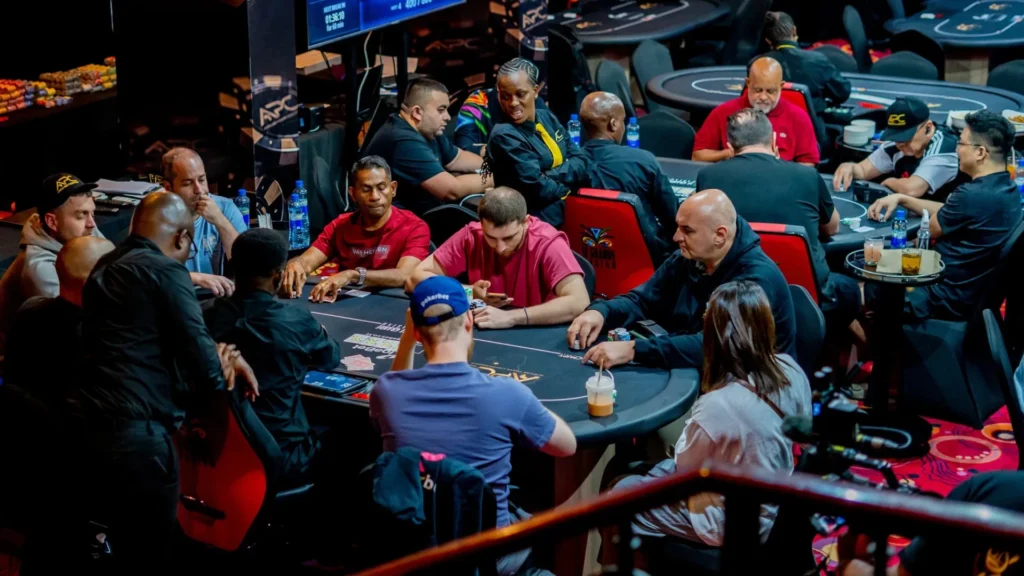
Thomson’s complaint states that on January 23 last year, he was playing blackjack in the Aria’s high-limit room. He recalls taking one “marker” (loan) for $10,000 but repaying it in chips. His last stated recollection of the night is leaving shortly after midnight with the intention of returning to his room with “a few thousand dollars” worth of chips.
Instead, he woke up handcuffed to the wall in the holding room. Per the complaint, casino security said they had found him sleeping in the hotel lounge and detained him when he lashed out after being woken.
Thomson then discovered that there were $75,000 in additional markers ostensibly bearing his signature, which he disputes. He says his host at the casino told him there was a “discrepancy” between the markers and his gross losses. Nonetheless, the casino pressed charges against him for bad checks after he refused to pay the markers while asking for an investigation.
Ultimately, Thomson paid the markers, and Aria dropped the charges. There are seven claims in his complaint against the casino, disputing the validity of the markers, accusing Aria of unfair practices and negligence, and arguing that the charges against him were malicious, as Aria knew he was in the process of disputing the markers, not unable to pay them.
Intoxication While Gambling is a Tricky Legal Issue
Lawsuits against casinos by gamblers who feel they should not have been allowed to gamble or accept credit while under the influence of drugs or alcohol are not uncommon.
Most states’ regulations, including Nevada’s, do impose a duty on casinos not to serve patrons who are visibly intoxicated. The Nevada Gaming Commission, for instance, lists the following as a potentially “unsuitable method of operation” that could result in disciplinary action:
Permitting a person who is visibly impaired by alcohol or any other drug to participate in a gaming activity.
However, courts have generally proven resistant to the idea of invalidating gambling debts on such grounds, even if the operator might be subject to a fine.
The main reason is that setting that precedent would incentivize people to try to “freeroll” casinos by gambling with the intent to invalidate any losses by pleading intoxication.
Accusations that a casino or its employees actively drugged a patron are considerably less common. However, this isn’t the first such case, and the other recent example also involves an MGM-owned property in Las Vegas.
There are a number of similarities between Thomson’s accusations and those of another man, Dwight Manley, who sued the MGM Grand in 2022. Among other things, that case shows how drawn-out such claims can be.
Dwight Manley Case Still Awaiting Trial
Manley’s case involves greater sums of money and more specific allegations. Like Thomson, Manley says he was playing high-limit blackjack when he blacked out and discovered, the next day, that he owed considerable debts to the casino. In his case, the markers were in the amount of $2 million.
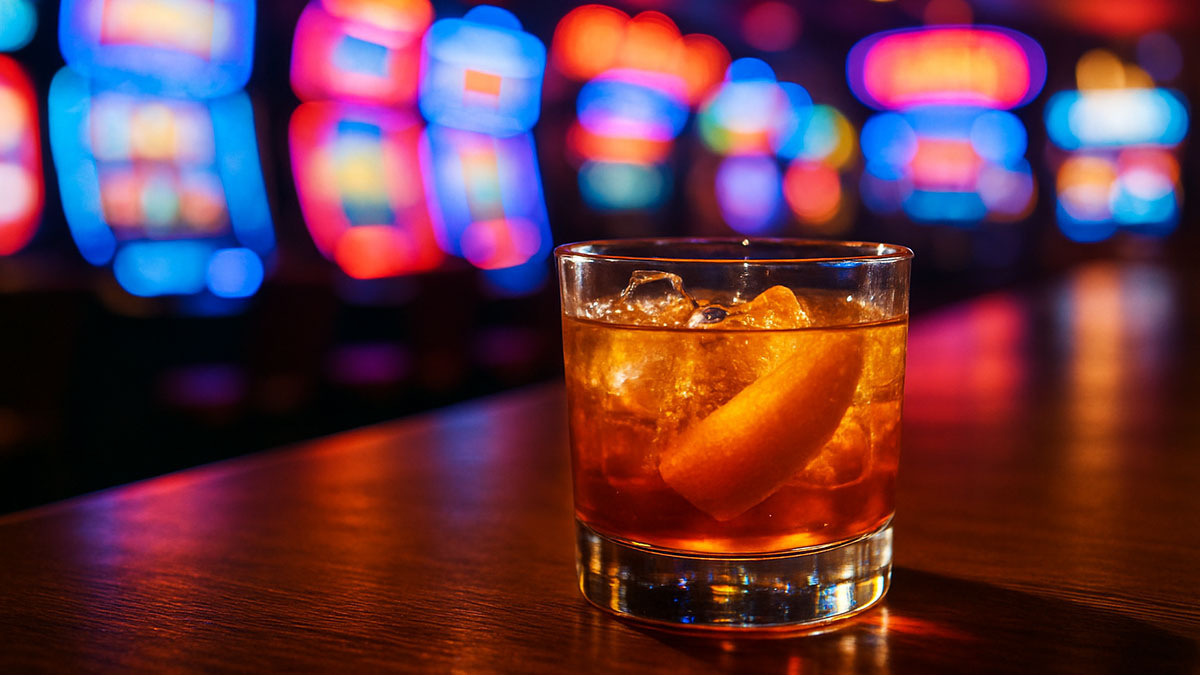
Manley’s complaint states that he felt disoriented after consuming his first drink — an Old Fashioned, which he had complained seemed too bitter. After returning to his home state of California, he submitted hair samples to a medical lab, which he says tested positive for ketamine.
MGM managed to have two of Manley’s claims dismissed and may pursue a similar strategy against the equivalent claims in Thomson’s case. Regarding the same regulatory policy invoked by Thomson, the judge ruled that the regulation only allows for disciplinary action by the regulator and doesn’t establish civil liability. She also found that the relationship between a casino and its patron doesn’t rise to the “special” status needed to claim a breach of an “implied covenant of good faith and fair dealing.”
The case continues on other fronts. However, discovery has been a long process. After three years, there is still no trial date. The latest action was the court’s refusal to reopen discovery to allow Manley’s team to depose additional MGM staff members.
One interesting thing to come out of discovery was that Manley’s team managed to find 11 other instances of patrons alleging that they had been drugged by an MGM employee. At least one of these appeared in court for a deposition. However, that person is identified only by her initials, “PK,” as is another alleged victim, “SD.” The details of their allegations have been redacted from the court documents.